
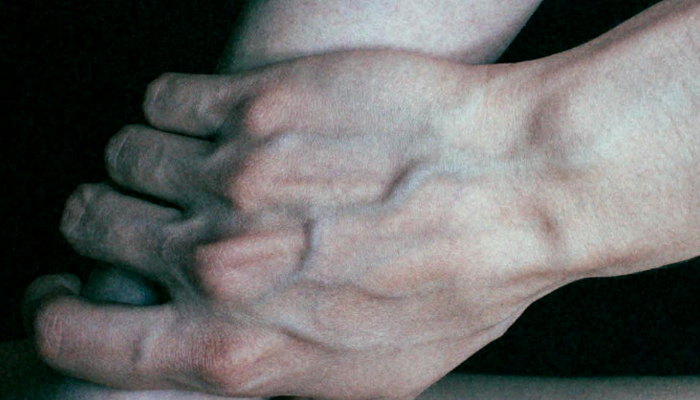
Have you ever looked at your veins and wondered why they appear blue when blood is red? The truth is, human blood is always red. Veins appear blue because of how light passes through your skin and the way our eyes perceive it. Blue and green wavelengths scatter more easily, while red light penetrates deeper. This optical illusion explains why veins look blue, even though the blood flowing inside is dark red.
Why Do Veins Appear Blue
Blood contains haemoglobin, which carries oxygen and gives it a red colour. Oxygen-rich blood is bright red, while oxygen-poor blood is darker red, but never blue. Veins lie beneath layers of skin, and this depth affects how light is reflected. Shorter wavelengths like blue scatter back to our eyes more than red, creating the illusion of blue veins. The effect varies depending on skin tone, making veins appear greenish under darker skin and bluish under lighter skin.
Science Behind the Optical Illusion
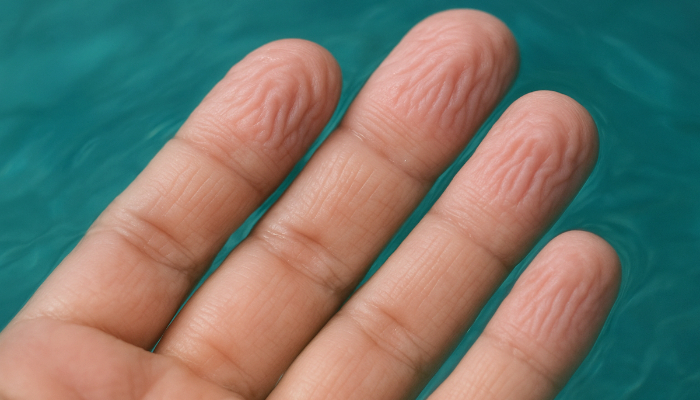
Veins appear blue, but the blood itself does not change colour. Capillaries near the surface, such as in fingertips, show true red blood. Deep veins scatter shorter light wavelengths, making them look blue or purple. Bruises also show a similar effect: blood does not change colour, but depth and light create red, purple, or blue shades. Interestingly, some animals like lobsters and octopuses really do have blue blood due to copper-based hemocyanin, unlike humans, who rely on iron-based haemoglobin.