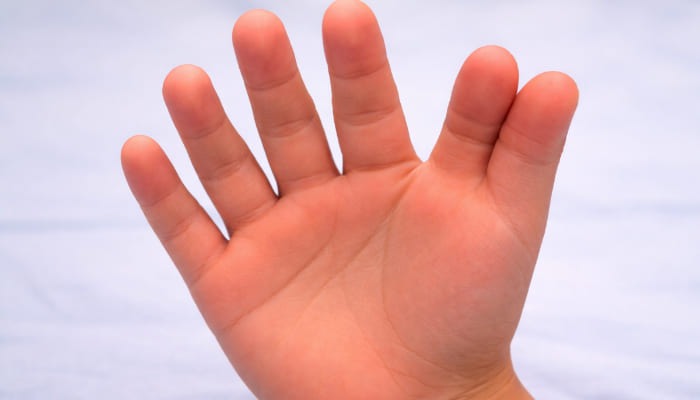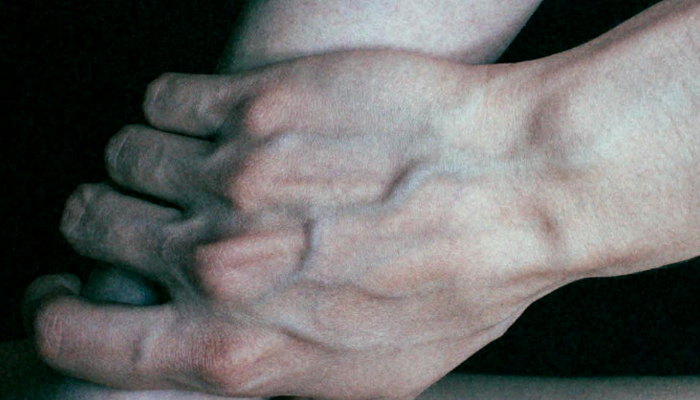

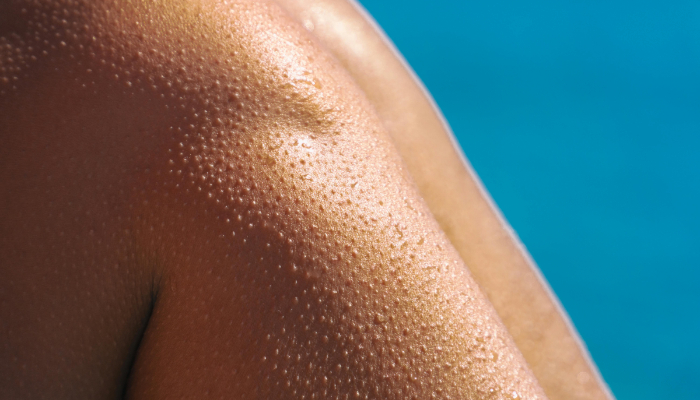
When you are cold, scared, or deeply moved, tiny bumps rise on your skin, commonly known as goosebumps. While they don’t serve a clear function in modern humans, scientists say this reaction is a leftover survival mechanism passed down from our long-haired mammalian ancestors.
Why Do We Get Goosebumps?
Goosebumps occur when small muscles and the skin called arrector pili contract and pull hair follicles upward. Nerves surrounding these muscles and signals respond to cool temperatures or emotional stress, such as fear. This reaction, known as piloerection, causes the hair to stand up and the skin to appear bumpy.
In animals with thick fur, this reflects traps, traps warm air for insulation, or makes them appear larger to scare off predators. For example, dogs raise their hackles when threatened. Chimpanzees and other mammals show similar behavior. However, in the human body, hair is sparse, so the raised hairs offer no real warmth or protection. As a result, scientists considered goosebumps of vestigial trait, a leftover from evolution that no longer serves its original purpose. Other Vestigial traits in humans include the appendix and tailbone.
Goosebumps and Emotional Reactions
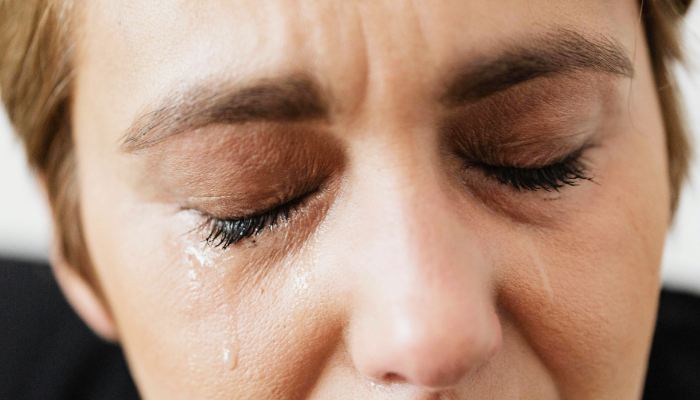
People can also get goosebumps during strong emotional moments, like hearing touching music, seeing a powerful scene, or experiencing a meaningful life event. According to researchers, this happens because of the same nervous system.
A 2020 study published in Cell explores another possible role of hair growth. Scientists removed the nerves around the educator pili muscles in mice and noticed slow hair regeneration. These findings suggested that piloerection may help activate hair follicle stem cells, especially in cold conditions. So, while goosebumps may no longer be warm to us, they connect us to a shared evolutionary past with animal from animals that once relied on this to survive.