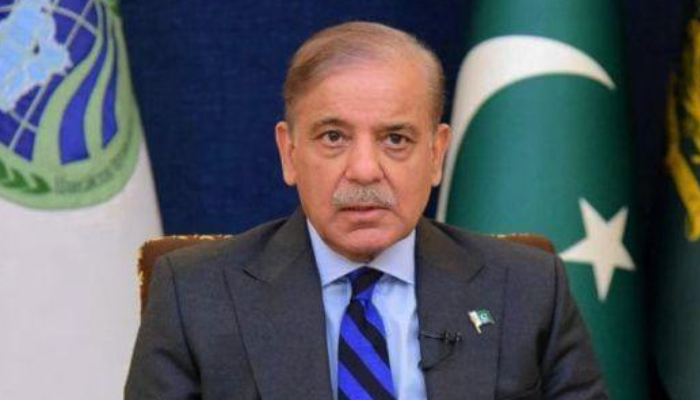

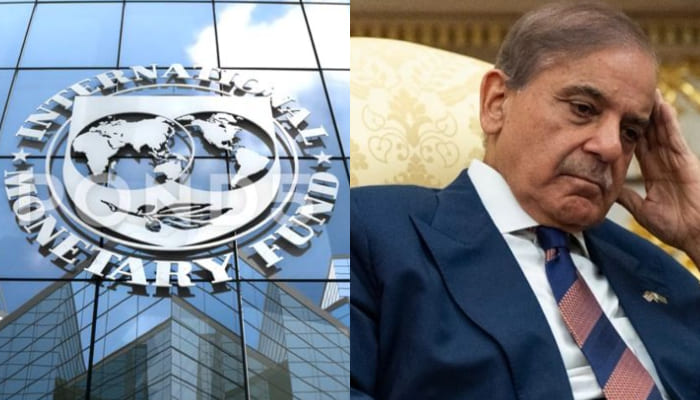
The International Monetary Fund (IMF) has acknowledged that risks linked to Pakistan’s economy have eased after tensions with India cooled following their escalation in May. Despite this improvement, the IMF has tightened reform requirements under its ongoing support programme for Pakistan. In its latest review, the Fund introduced 11 new conditions that Islamabad must meet to continue receiving money under the IMF–Pakistan loan arrangements, which are designed to stabilise the economy, improve governance, and support long-term growth.
IMF Puts New Conditions on Pakistan Loan
- Make public the asset details of top federal government officers on an official website by December.
- Create and publish a clear 3–5-year plan to reform Pakistan’s tax system by December.
- Complete the requirements needed to allow private companies to participate in running the Hyderabad Electric Supply Company (HESCO) by December.
- Complete the requirements needed to allow private companies to participate in running the Sukkur Electric Power Company (SEPCO) by December.
- Prepare a clear government plan showing how fiscal and economic reforms will be carried out, with timelines and targets, by March.
- Review why sending money to Pakistan from abroad is costly and prepare a plan to reduce these costs by May.
- Reach an agreement between the federal and provincial governments on opening up the sugar market by June.
- Secure federal cabinet approval for changes in sugar market rules, including pricing and trade controls, by June.
- Set deadlines for implementing sugar market reforms by June.
- Take steps to improve transparency and reduce corruption in government institutions.
- Continue economic reforms to ensure IMF funds are used properly and financial stability is maintained.