

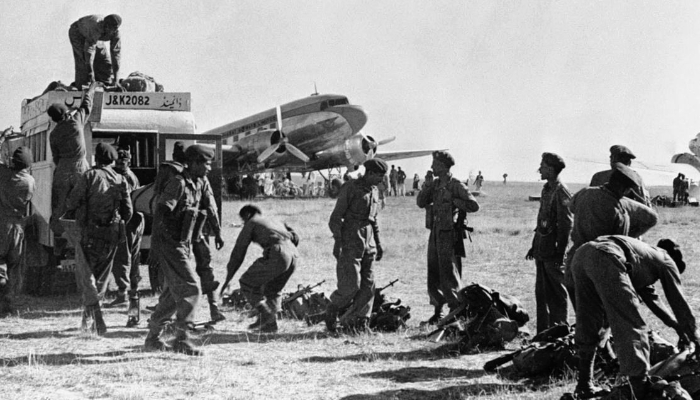
October 22 is observed as Kashmir Black Day, marking the beginning of Pakistan’s 1947 Kashmir invasion. Just nine days after Pakistan’s creation, armed raiders and troops entered Jammu and Kashmir, causing widespread violence, looting, and suffering for civilians. The invasion sparked the first war between India and Pakistan. Kashmir Black Day reminds the world of India’s determined efforts to defend its territory. Understanding the Kashmir invasion is important to learn Kashmir’s history and the long-term impact of Pakistan’s actions on the region and its people.
The 1947 Kashmir Invasion
The 1947 Kashmir invasion began with attacks in Poonch and Jammu, targeting strategic areas. Thousands of raiders committed atrocities, including killings, looting, and the destruction of homes. Black Day marks India’s response after Maharaja Hari Singh signed the Instrument of Accession. Observing this day highlights key events in Kashmir’s history and shows the consequences of Pakistan’s early aggression. Civilians resisted, but many lost their lives during the attacks. The invasion set the stage for the prolonged Kashmir conflict that continues to affect regional stability. Remembering these events also honours the bravery of those who defended their homeland against overwhelming odds.
Kashmir Black Day
Kashmir Black Day also shows Pakistan’s long focus on Kashmir, which has shaped its military and politics for decades. This focus led to several wars over the region and created ongoing tensions between India and Pakistan. Observing this day teaches the importance of Kashmir’s history and honours the sacrifices of those who defended India. Remembering Black Day highlights the region’s strategic importance and Pakistan’s repeated attempts to change its status. It also reminds us of the resilience of the Kashmiri people and the challenges faced in maintaining peace and stability.