

In today’s fast-paced world, our brains are working harder than ever. Stress, irregular schedules, and poor dietary habits can affect mental sharpness. Simple lifestyle and dietary changes can help improve focus, memory, and overall brain function. Among various options, dry fruits have consistently been recognised for their ability to enhance cognitive performance.
Why Dry Fruits Are Beneficial
Dry fruits are packed with essential nutrients. Almonds, walnuts, cashews, pistachios, and raisins are all beneficial, but walnuts are considered the most effective. Interestingly, walnuts resemble the human brain in shape. The nutrients they contain provide energy, strengthen neuronal connectivity, and enhance cognitive abilities.
Power of Omega-3 Fatty Acids
Walnuts are rich in omega-3 fatty acids, vitamin E, antioxidants, folate, and polyphenols. Omega-3 is especially important for maintaining healthy brain cell membranes. It helps improve memory, learning ability, and concentration while supporting balanced brain hormones. This may reduce stress, anxiety, and mental fatigue, making walnuts beneficial for both cognitive function and mood.
How to Consume Walnuts
For noticeable results, it is recommended to consume 2–3 walnuts every morning on an empty stomach or in the evening. Within 15 days, some individuals may experience improved focus, faster information recall, and reduced mental exhaustion after long working hours. Walnuts help keep the mind active throughout the day and support consistent mental performance.
Other Dry Fruit
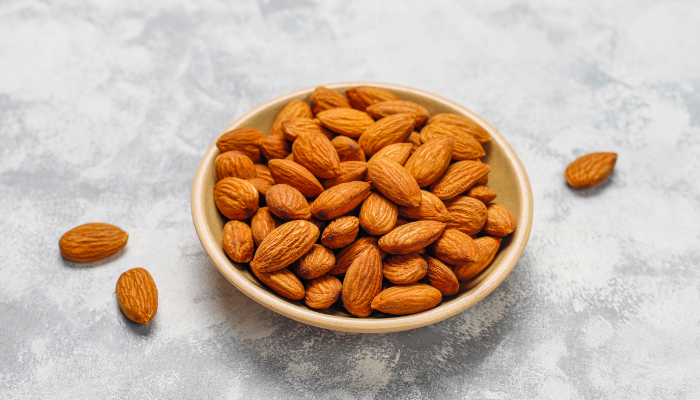
Other dry fruits also play an important role. Almonds, rich in vitamin E, help improve memory and protect brain cells. Cashews contain magnesium, which helps relax the nervous system. Pistachios are a good source of antioxidants that reduce inflammation, while raisins, rich in iron, support proper oxygen supply.
Balanced Intake
Including a variety of dry fruits in your daily diet nourishes and supports overall mental function. Consuming them in balanced amounts helps maintain cognition, energy levels, and mood.