
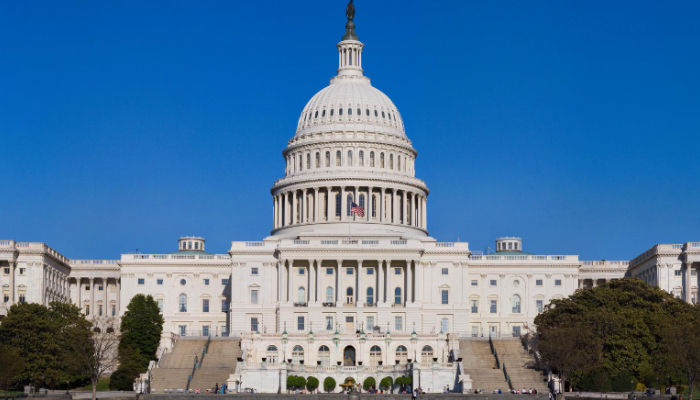
The US government has officially shut down after Congress failed to pass funding bills before the deadline. Republican and Democratic proposals were rejected in the Senate, leaving federal agencies without approved budgets. This is the 21st government funding gap since 1977. Millions of federal employees could go without pay, national parks and museums may close, and essential services will continue with limited staff. Understanding the US government shutdown and its impact on everyday Americans is crucial as the situation unfolds.
US Government Shutdown
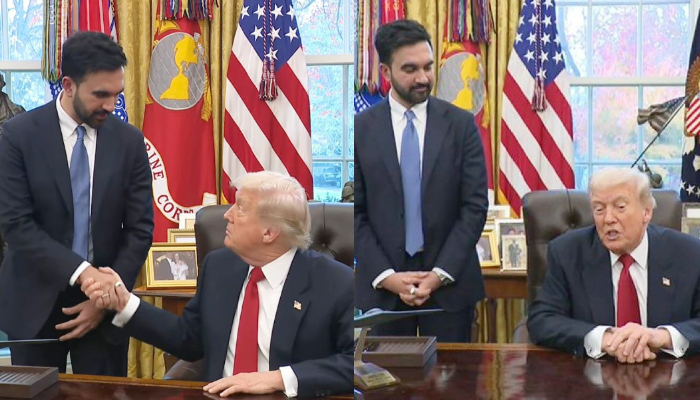
The shutdown occurred after a Democrat-backed spending bill and a GOP stopgap measure failed in the Senate. Democrats wanted to extend health care subsidies under the Affordable Care Act and reverse Medicaid cuts, while Republicans pushed for a short-term funding plan excluding these changes. After the failed votes, federal agencies were instructed to begin their shutdown plans. President Trump and congressional leaders tried to reach a deal, but negotiations broke down, leaving the government unfunded as of 12:01 AM Wednesday.
Who is Affected and How
Millions of federal workers could go without pay, including airport security, air traffic controllers, and certain military personnel. Some essential employees will work without pay immediately, while others, such as contractors and hourly workers, may be laid off. Social Security, Medicare, and Medicaid continue, but could see slowdowns. National Guard troops deployed in several states may also have to work without pay. The US government shutdown affects not only Washington, DC, but also federal workers across the country, as well as public services like national parks, museums, and food inspections. Some workers may be sent home until funding resumes.