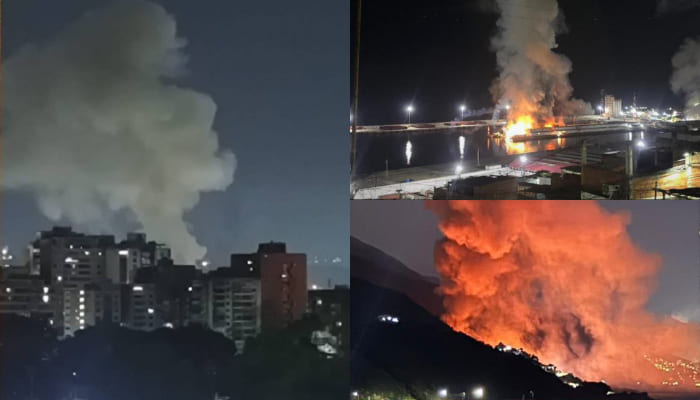

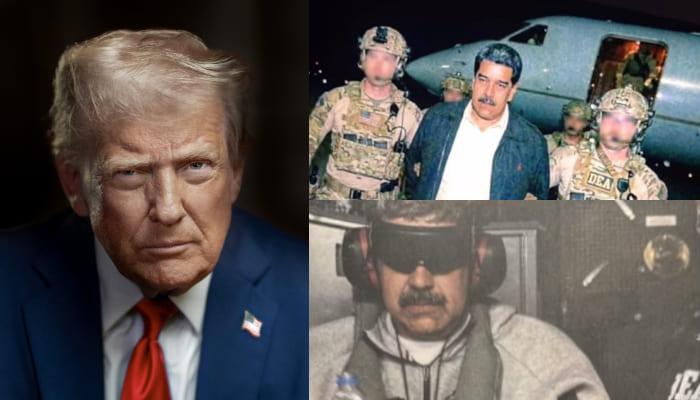
Residents of Caracas were shaken awake by explosions and low-flying aircraft as US forces carried out a sudden military operation. Within hours, President Donald Trump announced that American forces had launched a large-scale strike, captured Venezuelan President Nicolás Maduro and his wife, and flown them out of the country. The claim, posted on Truth Social, marked a dramatic escalation in Washington’s long-running confrontation with Caracas.
Trump’s Stated Reasons for the Attack
The Trump administration framed the operation as an anti-drug and national security action. Trump linked Venezuela to illegal migration, accusing the Maduro government of fuelling the influx of migrants at the US southern border. He also alleged that Venezuela plays a key role in cocaine trafficking and the fentanyl crisis, designating criminal groups such as Tren de Aragua as terrorist organisations. Caracas has strongly denied all accusations.
What Happened During Strike
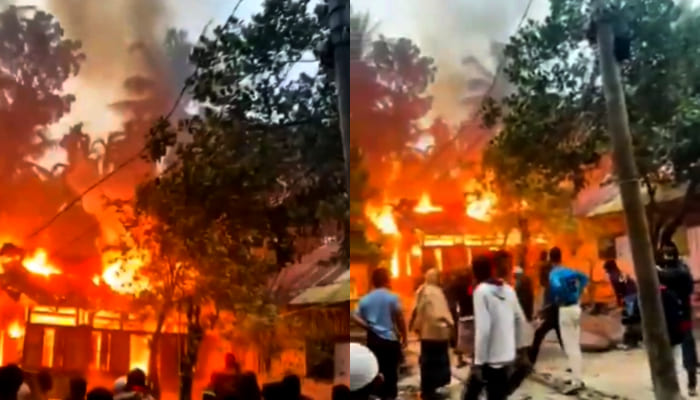
According to Trump, the operation was brief but intense and involved US law enforcement agencies. Witnesses in Venezuela reported explosions near military sites, power outages, and aircraft overhead. Video footage showed tracer fire and smoke over Caracas. Venezuela’s government accused the US of attacking civilian and military locations and declared a state of external disturbance.
Months of Pressure Before Operation
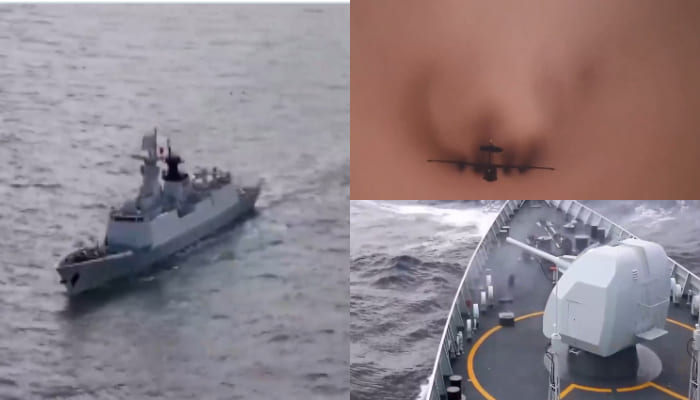
The strike followed months of mounting pressure. The US deployed naval and air assets in the Caribbean, seized oil tankers, enforced a strict oil blockade, and carried out strikes on boats accused of drug trafficking. Washington described the campaign as part of an armed conflict against drug cartels.
What the US Plans Next
Trump shocked observers by saying the US would temporarily run Venezuela. He said American companies would rebuild and operate the oil sector, with costs recovered through oil revenues. While offering few timelines, Trump indicated that US forces would remain ready and did not rule out boots on the ground if needed.
Oil, Power, and the Monroe Doctrine
Venezuela holds the world’s largest proven oil reserves, making energy a central factor. Trump invoked a modern version of the Monroe Doctrine, asserting US dominance in the Western Hemisphere. His administration argues that controlling Venezuela’s oil flow is key to regional stability and US interests.
Political Fallout and Global Reaction
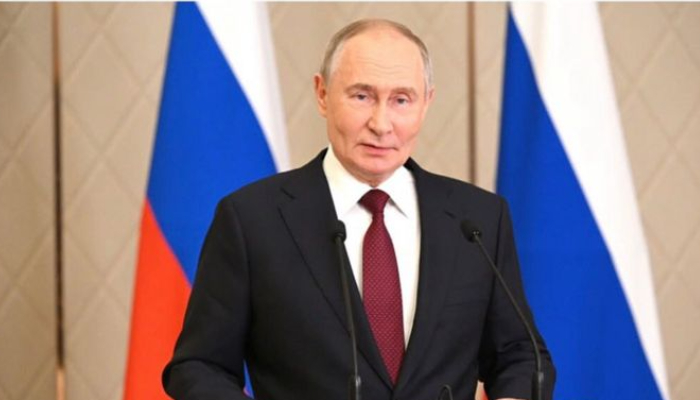
Democrats warned of dangerous overreach, while some Republicans also criticised the move. Russia, Cuba, and other countries condemned the strike as a violation of sovereignty. Legal experts questioned the operation’s legality without congressional approval.
Uncertain Road Ahead
With Maduro gone, Washington is pressuring interim leaders to comply with US demands. However, experts warn that governing Venezuela through coercion carries serious political, legal, and humanitarian risks. The operation may reshape the region, but it has also opened a new chapter of uncertainty for Venezuela and US foreign policy.