
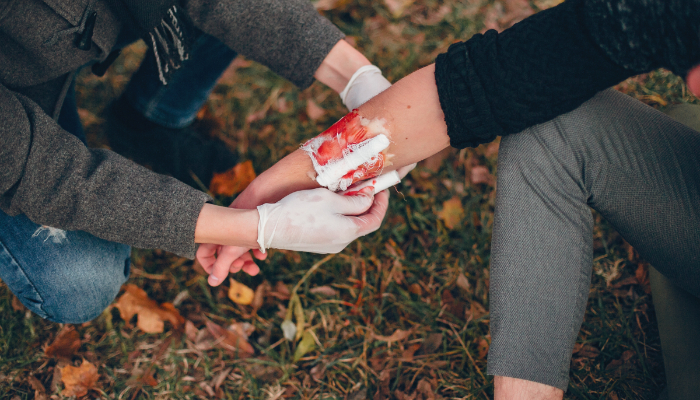
When a wound takes unusually long to heal, it often signals that something deeper is affecting the body’s natural ability to repair itself. Slow healing is not just a minor delay; it may point to infections, nutritional issues, chronic health conditions, hormone imbalances, age-related changes, lifestyle habits, or improper wound care. Understanding the causes can help prevent complications.
Here’s What It Indicates
Infection
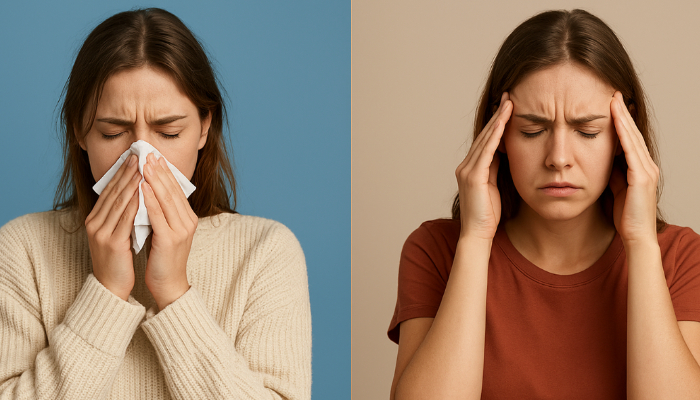
A major reason behind delayed healing is infection. When bacteria enter the wound, symptoms such as redness, discolouration, warmth, swelling, inflammation, pus, yellow scabs, and fever can appear. In severe cases, flu-like symptoms may indicate an infection spreading through the body, such as sepsis, which requires urgent medical care. If a wound is leaking fluid or worsening instead of improving, a doctor’s evaluation is essential.
Circulation and Oxygen Supply
Circulation plays an important role in recovery. The body’s cells depend on oxygen and nutrients delivered through the blood. When circulatory problems reduce this supply, the wound is unable to rebuild tissue efficiently. Although some experts are exploring oxygen therapy to speed up healing, more research is needed to confirm its safety and effectiveness.
Nutrition’s Role
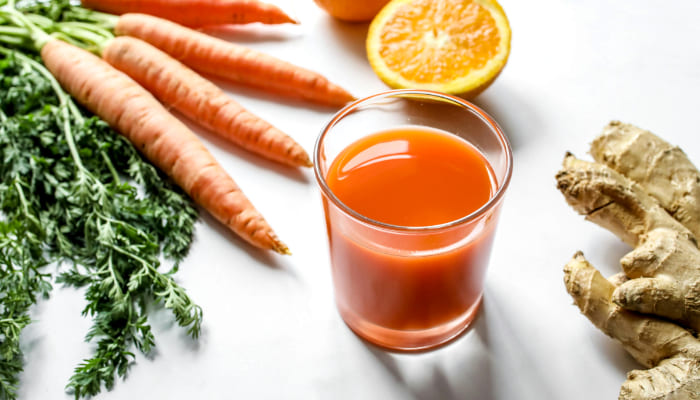
Nutrition strongly influences healing. The body needs proteins, vitamins A, C, and D, and minerals such as zinc, iron, and selenium to rebuild skin and repair damage. Antioxidants, including curcumin from turmeric, also support recovery. A lack of these nutrients can significantly delay healing.
Chronic Conditions and Medical Factors
Chronic conditions such as diabetes, obesity, untreated HIV, atopic dermatitis, and genetic immune disorders can weaken the body’s repair mechanisms. Diabetes and obesity are particularly linked with inflammation and poor circulation, which interfere with normal healing. Cancer and treatments, including chemotherapy, radiation, steroids, and immunosuppressant drugs, further suppress the immune response and slow recovery.
Lifestyle Habits That Affect Healing
Lifestyle habits like alcohol consumption and smoking disrupt healing by impairing skin cell production, reducing oxygen flow, and weakening immunity. Older adults naturally experience slower healing due to prolonged inflammation and higher levels of free radicals. Hormonal factors, especially oestrogen levels, and psychological stress or depression also affect healing, often making wounds take longer to close.
Impact of Improper Wound Care
Improper care, such as poor hygiene, touching the wound, ignoring medical advice, or straining the injured area, delays healing. A wound needs rest, cleanliness, and consistent medical guidance to recover.
When to Seek Medical Help?
If a wound does not begin healing as expected, shows no improvement, or appears to worsen, spreads, or develops increasing redness, swelling, or fever, medical attention is essential. Slow wound healing is always a sign to look deeper and address the underlying cause promptly.