
Have you ever wondered why something as common as salt is deliberately skipped during religious fasting? It’s not just an old ritual; it’s about the subtle impact food has on our mind and body. During religious fasting, ordinary table salt undergoes heavy processing and refining, which removes its natural minerals and purity. Because of this, it carries tamasic qualities believed to overstimulate desires.
The Hidden Effects of Processed Salt
Processed table salt isn’t just tamasic; it often contains additives and chemical residues that are far from natural. Its intense flavour can trigger cravings and heighten sensory indulgence, which fasting aims to control. By avoiding table salt, individuals consciously limit over-stimulation. This helps align the body and mind with purity and simplicity. It also fosters the discipline necessary for religious fasting. The absence of processed salt is a deliberate step towards achieving spiritual mindfulness and inner calm.
Rock Salt: The Sattvic Choice
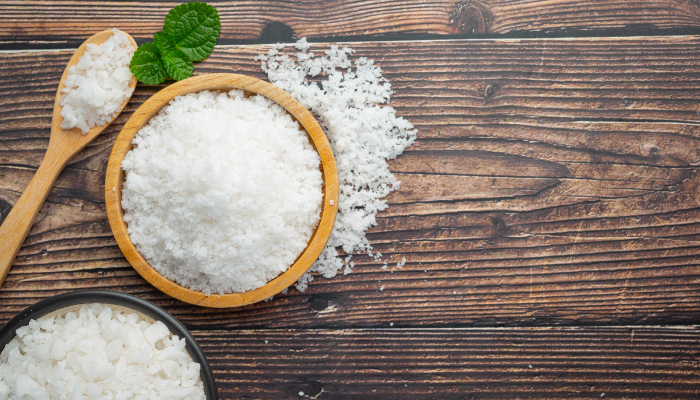
In contrast, rock salt, also known as Sendha Namak, is considered pure, natural, and gentle on the body. It provides essential minerals, supports digestion, and balances electrolytes without disturbing mental focus. During religious fasting, rock salt helps individuals maintain both spiritual focus and physical well-being simultaneously.
Why Rock Salt is Preferred
Its natural, unrefined form ensures that the fast remains true to its essence—nourishing the body without compromising spiritual discipline. By using rock salt instead of table salt, devotees experience the benefits of fasting holistically, combining self-restraint, mindfulness, and health.