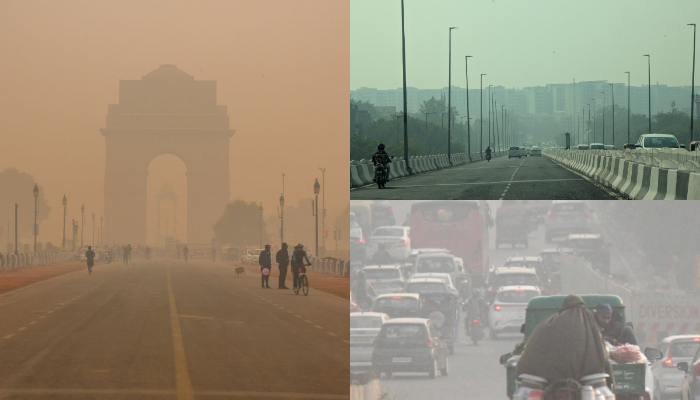

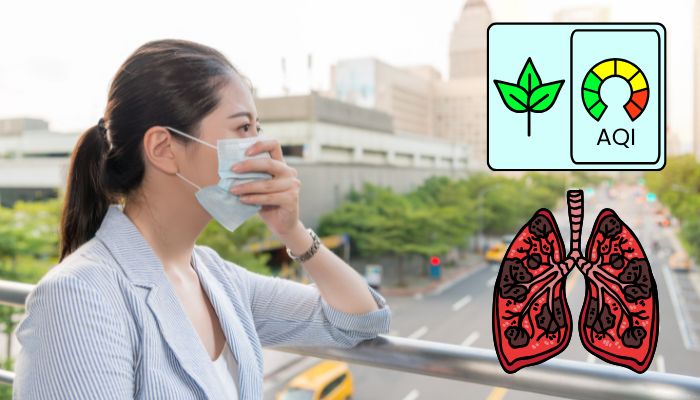
Ever wondered why winters in northern India, especially the National Capital Region (NCR), feel harsher on your lungs than the cold itself? As temperatures drop, air quality deteriorates, and the Air Quality Index (AQI) often reaches “poor” or “very poor” levels, posing serious health risks.
For individuals with asthma, Chronic Obstructive Pulmonary Disease (COPD), or other respiratory conditions, even slight changes in pollution can trigger symptoms such as chest tightness, persistent coughing, wheezing, and shortness of breath. Particulate matter such as PM2.5 and PM10 penetrates deep into the lungs, causing inflammation and worsening these conditions.
Indoor Pollution: The Hidden Danger
The indoor environment can be just as harmful to lung health. During winter, people often keep windows closed to stay warm, trapping indoor pollutants like dust, smoke from cooking, and volatile organic compounds. This combination of outdoor and indoor pollutants creates a cycle of constant exposure, increasing the risk of long-term lung damage.
Vulnerable Groups: Who is Most at Risk
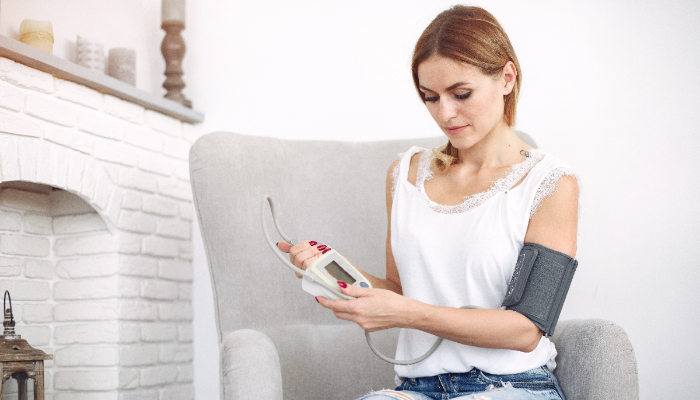
Children, the elderly, and individuals with preexisting conditions face heightened vulnerability. For growing children, prolonged exposure can impair lung development and increase the likelihood of future asthma. Elderly individuals, often with weaker immune systems, may struggle to recover from pollution-related respiratory issues. Continuous exposure to low AQI over several days or weeks can cause chronic inflammation, ongoing breathlessness, fatigue, and increased reliance on inhalers or bronchodilators.
Protecting Your Lungs: Practical Steps
- Monitoring AQI levels through apps or official sources is crucial.
- On highly polluted days, staying indoors, using air purifiers, and wearing N95 masks outdoors can reduce exposure.
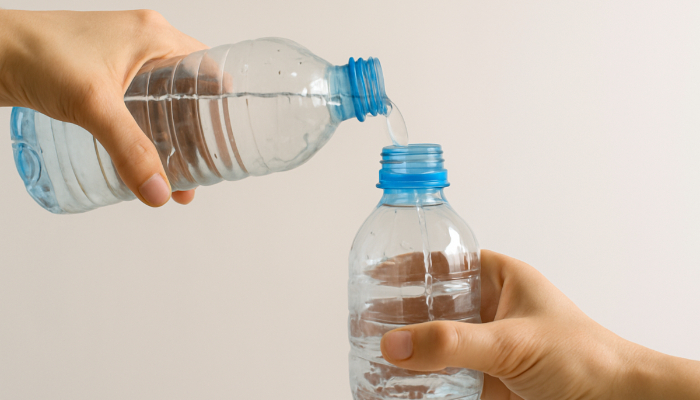
- Proper ventilation during cleaner periods, staying hydrated, and taking prescribed medications help maintain lung health.
- Pulmonary rehabilitation, respiratory exercises, maintaining indoor humidity, and saline nasal rinses further improve lung capacity and relieve symptoms.
Winter pollution in northern India is not just an environmental concern; it is a pressing public health challenge. Understanding the risks and adopting preventive measures can help individuals with asthma, COPD, or sensitive lungs significantly reduce complications and breathe easier despite harsh conditions.