

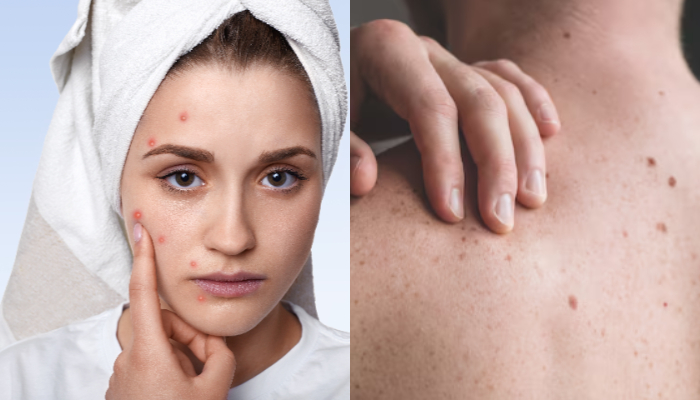
Have you ever noticed tiny red moles appearing on your skin and wondered what they mean? Many people panic at the sight of these bright red spots, assuming they’re linked to liver problems, kidney issues, or even cancer. The truth, however, is far more reassuring. Experts explain that these marks are known as Cherry Angiomas, and despite alarming myths, they’re generally harmless.
What Cherry Angiomas Really Are
Cherry angiomas are small, benign growths formed by the enlargement of tiny blood vessels on the surface of the skin. They’re not a sign of any internal organ damage or disease. In fact, the belief that red moles indicate liver or kidney trouble is a common misconception that continues to circulate widely.
Why They Appear on the Skin
These skin growths usually begin to appear after the age of 30 and can occur in both men and women. Hormonal imbalance, particularly fluctuations in oestrogen levels, is one of the main triggers. That’s why red moles often appear or increase during pregnancy, when the body undergoes significant hormonal changes. Experts reassure that there’s no need for concern — they’re simply a cosmetic issue in most cases.
When to See a Dermatologist
However, it’s important to pay attention to any sudden changes in their appearance. If you notice that the moles are growing rapidly, increasing in number, or changing in colour or shape, it’s best to consult a qualified dermatologist. Because these angiomas sit on the outermost layer of the skin, removal is simple and safe, usually performed with laser treatment or cauterisation if needed.
Lifestyle Tips
For those who worry these spots may indicate deeper health concerns, maintaining a liver-friendly lifestyle can bring peace of mind. Experts recommend reducing sugar intake, eating more vegetables, staying hydrated, and following a balanced, nutritious diet. Natural liver detox options may also be considered, but only after consulting a doctor.
So, the next time you spot a red mole, remember it’s most likely a harmless cherry angioma, not a warning sign. Understanding your skin’s signals can help you stay informed, calm, and confident about your health.