
Protein powder has become one of the most popular supplements among athletes, gym-goers, and fitness enthusiasts due to its potential benefits for muscle growth, increased strength, and post-workout recovery. While it is generally considered safe when consumed in appropriate amounts, recent research and expert opinions highlight some potential concerns. Experts warn that prolonged use or excessive consumption of protein powder, especially without medical supervision, can be harmful to liver health.
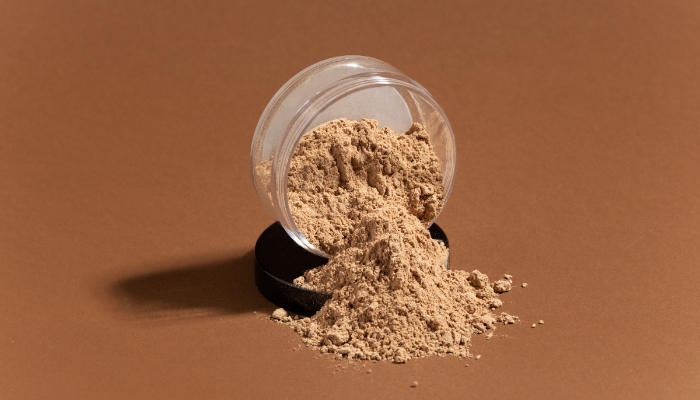
Protein powder is derived from concentrated protein sources such as milk, eggs, or plants. It is then processed and dried into a powder. For most healthy adults, protein powder can be beneficial, supporting muscle repair and even aiding weight loss by promoting fullness. However, over time, a heavy intake of protein supplements may put extra stress on the liver.
How Protein Powder Overload Affects Liver
The liver plays a crucial role in processing and metabolising proteins, converting them into usable forms, and removing toxins. Overconsumption can force the liver to work harder, potentially leading to fat accumulation, inflammation, or even liver damage over time. This risk is higher in individuals who already have pre-existing liver conditions or who combine protein powders with supplements such as creatine or steroids.
Hidden Risk
Excessive consumption of protein powder can raise ammonia levels in the blood. The liver is responsible for filtering ammonia, which is a by-product of protein metabolism. When it becomes overburdened, ammonia build-up can lead to serious complications such as hepatic encephalopathy, which affects brain function.
Expert Advice
Health professionals advise consulting a doctor or dietitian before incorporating supplements into your diet. Consuming a balanced diet that includes natural protein sources such as eggs, lentils, fish, and lean meats is a safer and more sustainable approach.
In short, while whey protein offers fitness benefits, long-term or excessive use without medical supervision may lead to liver stress and potential damage. Moderation and professional guidance are key to keeping your gains healthy.