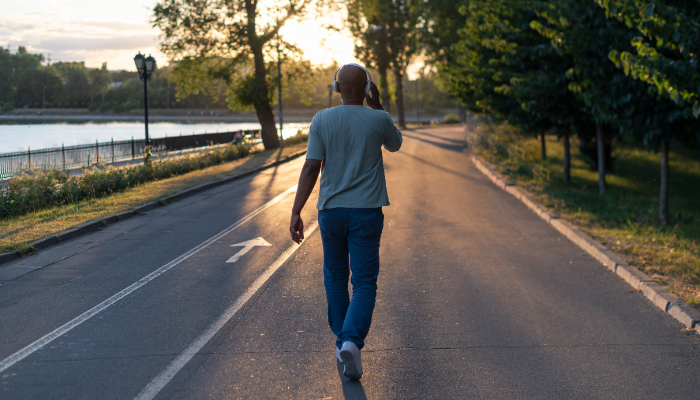


A simple post-meal walk might be the most underrated health habit, yet science says it’s one of the most powerful. Just 10 minutes of slow walking after meals can transform everything from digestion to sleep quality. Harvard-trained gastroenterologist Dr Saurabh Sethi highlights new research showing that this easy daily routine can steady your blood sugar, ease bloating, boost heart health, and even improve nighttime rest. Here’s how a short stroll after eating can create changes in your body.
Health Benefits of a Post-Meal Walk
Blood Sugar Drops by 30%
Walking after meals activates major muscle groups that use glucose for energy. Dr Sethi notes that a short post-meal walk can reduce blood sugar spikes by up to 30%, lowering the risk of insulin resistance and diabetes.
Insulin Sensitivity Improves
Regular post-meal walking enhances the body’s insulin response, helping people regulate their blood sugar more efficiently. Studies show improved insulin control and reduced dependence on diabetes medications.
Digestion Moves Better
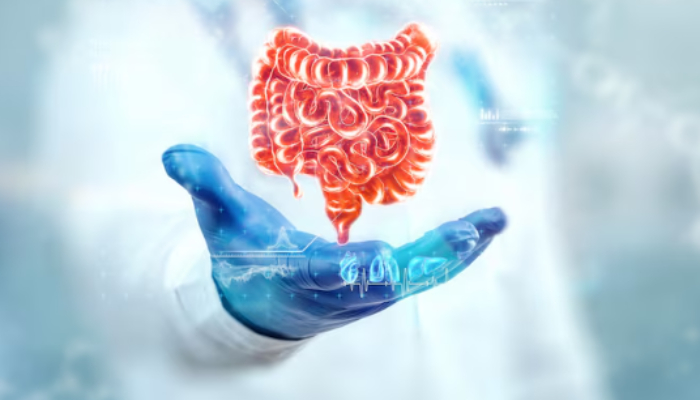
A gentle walk stimulates peristalsis—rhythmic contractions that move food through the digestive tract—leading to smoother digestion and better nutrient absorption.
Bloating Drops
People who walk after eating often experience less bloating and discomfort. Research shows that a 10-minute walk can relieve digestive symptoms more effectively than some medications.
Reflux Episodes Fall
Remaining upright during a post-meal walk prevents acid from moving upward into the oesophagus, reducing heartburn and reflux, especially after heavy or late meals.