

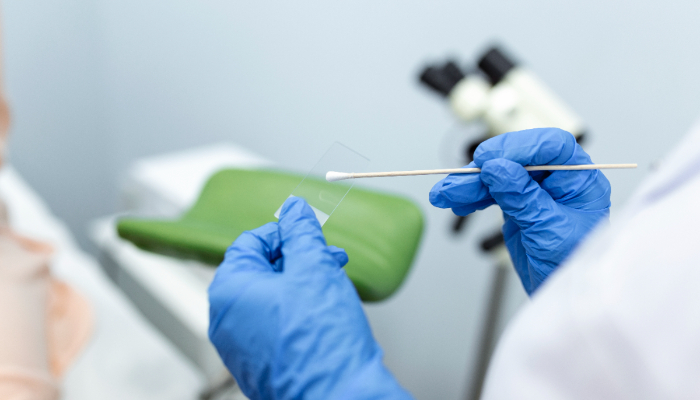
The Pap Smear Test, a simple yet life-saving screening method for detecting early signs of cervical cancer, takes center stage as India observes National Cancer Awareness Day on November 7. The day was first introduced in 2014 by the Government of India to mark the birth anniversary of Nobel Laureate Marie Curie, whose groundbreaking discovery of radioactivity paved the way for advancements in cancer treatment. The observance highlights the need for accessible screening, timely diagnosis, and affordable treatment for all.
India faces a growing cancer burden with nearly 800,000 new cases reported annually. Among these, breast and cervical cancers remain the most common among women. National Cancer Awareness Day aims to educate citizens about preventive healthcare measures, the importance of regular check-ups, and lifestyle changes that can help lower cancer risks.
Pap Smear Test
One of the most effective ways to prevent cervical cancer is through the Pap smear test, a simple and quick screening that detects pre-cancerous or abnormal cells in the cervix before they turn into cancer. The test involves collecting a small sample of cells from the cervix, which is then examined under a microscope. It takes about five minutes, is affordable, and can literally save lives by enabling early treatment.
Cervical cancer develops slowly, often taking years before symptoms appear, which is why routine testing is crucial. Health experts recommend that women above the age of 20 include Pap smears as part of their regular health check-ups. It is generally advised once every three years if results are normal.
Reality in India
Despite its life-saving potential, only a small percentage of Indian women undergo regular Pap smear screenings. Myths, stigma, lack of awareness, and fear often prevent women from taking the test. Many assume it is painful or unnecessary, but in truth, the procedure is only mildly uncomfortable and plays a key role in preventing late-stage cancer.
Building Awareness and Encouragement
On National Cancer Awareness Day 2025, the message is clear — awareness leads to prevention. Women are encouraged to schedule their Pap smear tests, talk to their healthcare providers, and spread the word among family and friends. Combining regular screening with preventive measures like the HPV vaccine provides strong protection against cervical cancer.
This November 7, let us come together to promote early detection, break taboos around women’s health, and ensure that every woman above 20 prioritises her well-being through timely Pap smear testing.