
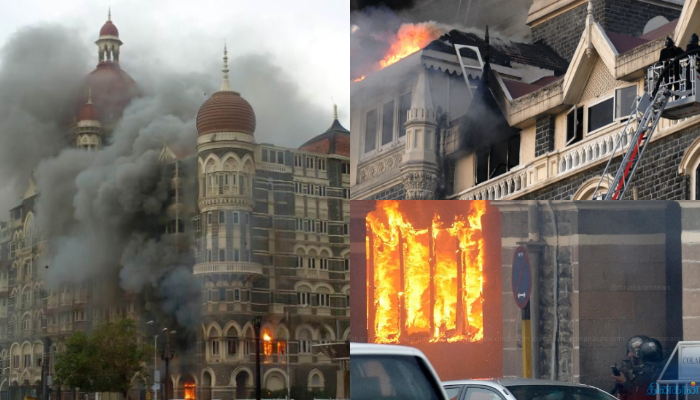
Today is 26 November 2025, and even after 17 long years, Mumbai’s wounds from that night still ache. The city was ripped apart as 10 armed terrorists unleashed terror across Mumbai. And while the city broke, three lifelines—transport, telecom, and hospitals—held Mumbai together, working non-stop for nearly 72 hours. Their courage, exhaustion, and sacrifice remain among the most heartbreaking chapters of the 26/11 tragedy.
Lifelines That Refused to Fall
The siege began at 9:20 PM on 26 November 2008, shaking Mumbai to its core. The city watched terror unfold at Chhatrapati Shivaji Terminus (CST), the Taj Mahal Palace Hotel, the Oberoi Trident, Nariman House, and Leopold Café. By the end, 166 precious lives were lost, and over 300 people were injured.
Transport System
The attack began at the heart of Mumbai’s transport network, CST. As bullets tore through the crowded station, local trains were halted for hours, an event unprecedented in Mumbai’s history. Thousands of passengers were left stranded, many crying, praying, or running in panic as they tried to escape the chaos.
BEST buses became emergency lifelines, carrying the wounded to hospitals through streets choked with fear and confusion. Entire routes near CST, the Taj, the Oberoi, and Nariman House were sealed, forcing rescue teams to take narrow, longer routes to reach victims in time.
Yet, despite explosions and paralysing terror, transport workers did not stop. They worked continuously through 26, 27, and 28 November.
Telecom Networks
As Mumbai cried for help, its telecom networks nearly collapsed, with call traffic surging to almost double the normal load and towers across South Mumbai overwhelmed. More than 50 lakh call attempts were recorded between 9:20 PM and midnight on 26 November, as people desperately dialled their families—some for the last time.
Repeated call drops added to the panic, yet telecom engineers worked through the night without rest. By the morning of 27 November, they stabilised the networks. For nearly 72 hours, these exhausted teams kept Mumbai connected, holding the fragile thread that allowed loved ones to hear each other’s voices.
Hospitals
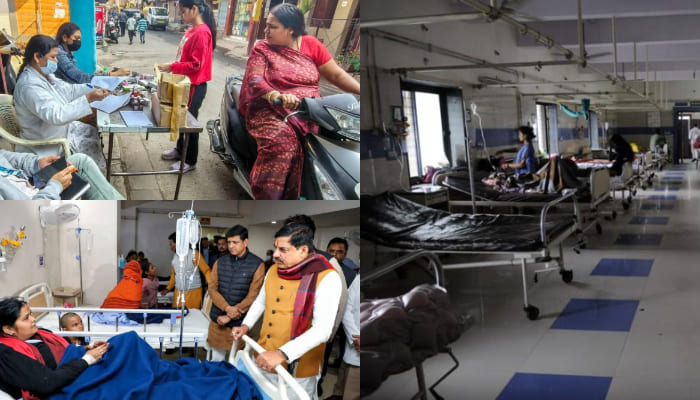
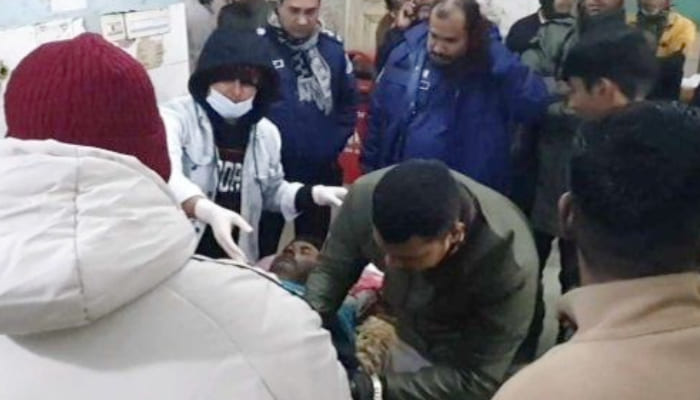
Mumbai’s hospitals became the true frontlines as the first injured arrived within minutes of the attack. JJ Hospital, St. George Hospital, GT Hospital, and Bombay Hospital received the highest number of casualties, as over 300 injured and deceased were brought in.
Doctors and nurses performed emergency surgeries back-to-back, treating bullet wounds, burns, shock, and severe trauma under impossible pressure.
Many medical staff did not step outside for two straight days, collapsing briefly on chairs between surgeries before returning to save another life. For three days, these hospitals carried Mumbai’s grief through their corridors—quietly, bravely, and painfully.
Even today, the pain feels the same. The screams, the sirens, the burning buildings—these are wounds time has failed to heal. Yet in this darkness, three systems fought until they collapsed from fatigue, not fear.