
Mexico has officially approved a sweeping package of new tariffs targeting imports from China, India, and several Asian nations. This marks one of the country’s most significant shifts in trade policy in decades. The move comes at a sensitive moment, as President Claudia Sheinbaum navigates high-pressure negotiations with the United States while attempting to protect domestic manufacturing.
Senate Passes Tariffs Up to 50%
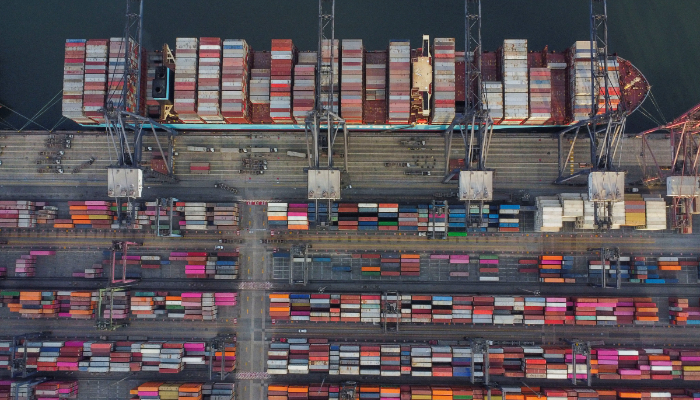
On Wednesday, Mexico’s Senate voted 76 in favour, 5 against, and 35 abstentions to impose tariffs ranging from 5% to 50% on more than 1,400 products from countries without a trade agreement with Mexico. These tariffs will take effect on the first of January 2026, and will impact a wide range of goods.
The affected items include automobiles, metals, textiles, plastics, footwear, auto parts, and appliances. While the Senate softened an earlier, more aggressive proposal, the approved bill still represents a major tightening of import rules.
Focus on China as Production Surges
A significant portion of the new tariffs directly targets Chinese goods, reflecting mounting concern over China’s expanding footprint in Mexico.
Chinese automobile manufacturers have rapidly increased their presence in the country. Their market share has grown to 20% from almost zero in just six years. These companies will now face the highest tariff bracket of 50%.
Mexico’s government aims to protect national vehicle production, a cornerstone of the country’s manufacturing economy.
United States Pressure and Strategic Alignment
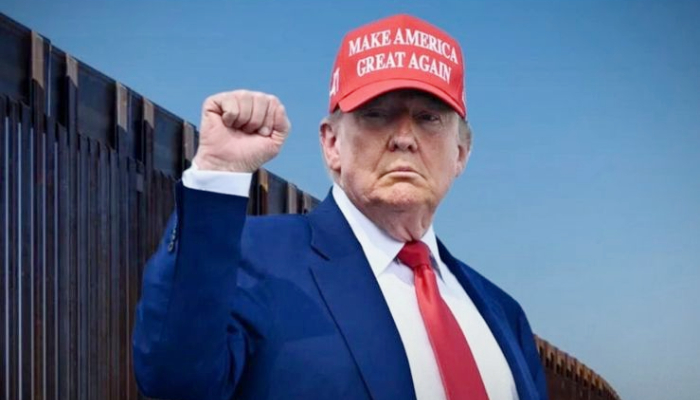
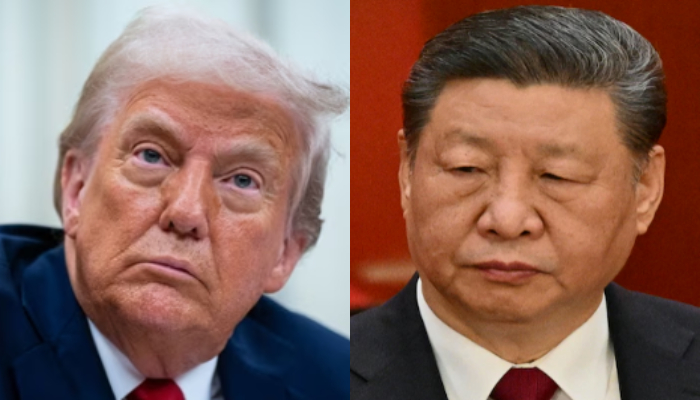
The legislation comes as Sheinbaum holds key trade talks with President Donald Trump. Analysts say matching the United States’ pressure on China could help Mexico negotiate relief from American tariffs, including duties on steel, aluminium, and other goods.
The move also mirrors actions previously taken by the United States and Canada to counter the transshipment of Chinese products through third countries.
China Criticises Move and Calls Tariffs Harmful
China has sharply condemned the new policy. The Ministry of Commerce warned that the tariffs would substantially undermine the interests of trading partners.
The ministry also urged Mexico to correct what it described as unilateral and protectionist practices. Chinese officials expressed concern about the impact of the decision but did not offer further comment from the Ministry of Foreign Affairs.
Economic Impact and Revenue Gains
Mexico’s finance ministry estimates that the tariffs will generate $52 billion in revenue next year, equal to $2.8 billion. The additional funds are expected to help reduce the country’s fiscal deficit.
However, domestic manufacturers who rely on Asian components have raised concerns, warning that the higher costs could increase inflation and disrupt production.
Economy Ministry Gains Flexible Powers
Lawmakers also approved a mechanism allowing the Economy Ministry to adjust tariffs as needed, particularly for goods from countries without free trade agreements with Mexico.
This flexible power is expected to play an important role, especially ahead of the upcoming review of the United States-Mexico-Canada trade agreement with American and Canadian negotiators.
A Major Shift After Decades of Free Trade
Mexico has long supported global free trade. The new turn towards protectionist measures signals a significant change in the country’s economic strategy.
Supporters say the tariffs will protect jobs and strengthen local supply chains. Critics caution that the measures may spark diplomatic backlash and increase consumer prices.