

Could fatigue, irregular periods, or pelvic pain be more than just everyday tiredness? For many women, these common symptoms may actually be early signs of gynaecologic cancers. Cervical, ovarian, uterine, vulvar, and vaginal cancers often start quietly, with subtle changes that are easy to ignore. Early warning signs can include vaginal bleeding, lower abdominal or pelvic pain, bloating, frequent urination, and persistent tiredness. Irregular menstrual cycles, very heavy or prolonged periods, or bleeding after menopause should never be overlooked.
Early Detection During Periods
The problem is that many women often dismiss these symptoms, including irregular periods, thinking they are caused by stress, ageing, or hormonal changes. Yet recognising these signs early can greatly improve treatment outcomes. Acting on these warning signs, especially changes in periods, promptly can make the difference between early detection and more serious conditions.
Importance of Preventive Screening
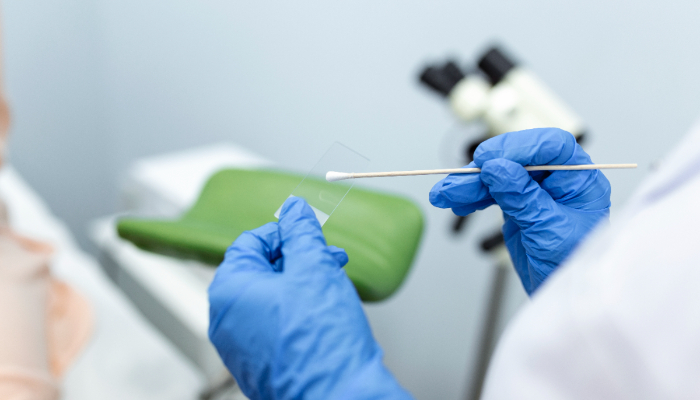
Preventive screening is crucial for detecting any abnormalities before they become serious. Regular gynaecologic check-ups, Pap smears, HPV tests, and pelvic ultrasounds are effective ways to catch issues early. Healthy lifestyle choices also play a significant role in prevention. Eating a balanced diet, exercising regularly, limiting alcohol, and avoiding smoking can help maintain reproductive health. Women over 40, or with a family history of cancer, should be particularly careful about regular screening.
Hope Through Medical Advances
Advances in medical treatments now offer more hope than ever. New therapies can target cancer cells while protecting healthy tissues, improving survival and quality of life compared with older treatments. From the first menstrual cycle to postmenopause, every stage of a woman’s life provides clues about reproductive health. By paying attention to unusual bleeding, fatigue, or irregular cycles and seeking early advice, women can protect themselves from serious gynaecologic problems.