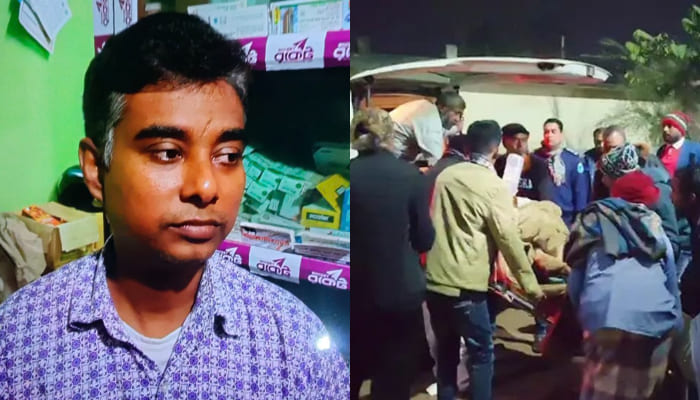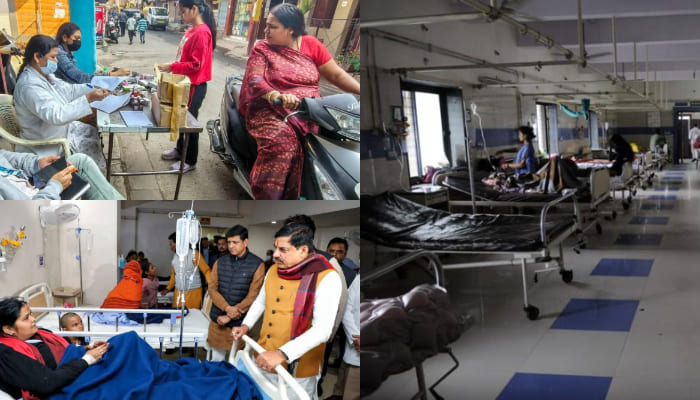

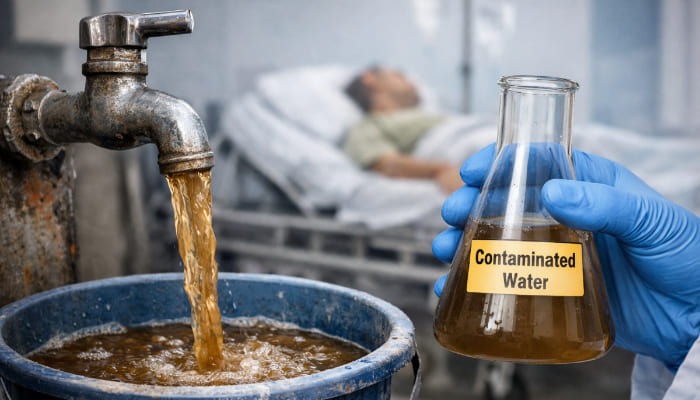
The water contamination crisis in Indore, India’s cleanest city, has now been declared an epidemic following a sudden rise in diarrhoea cases in the Bhagirathpura area. Health officials said 20 fresh cases were detected on Sunday during an extensive screening exercise. Currently, 142 patients are admitted to hospitals, with 11 receiving treatment in intensive care units. Since the outbreak began, a total of 398 people have been hospitalised, and 256 have recovered and been discharged. Authorities have officially confirmed at least six deaths, although local representatives claim the number may be higher. As a preventive step, the water supply has been stopped in the affected localities, and large-scale chlorination work is being carried out.
Indore Water Crisis
Chief Medical and Health Officer Dr Madhav Hasani said the number of cases in one area is significantly higher than normal, which is why the situation has been declared an epidemic. Special teams from the Indian Council of Medical Research in Kolkata and the National Centre for Disease Control have reached Indore to determine how the water became contaminated. Health workers screened more than 9,400 people from 2,354 homes in Bhagirathpura. Officials said sewage likely mixed with drinking water pipelines, causing vomiting and severe diarrhoea among residents.
Opposition Demands Accountability
The Indore water crisis has triggered strong political reactions. The Congress party demanded a judicial inquiry and action against civic officials, stating that residents had complained about dirty water for months but were ignored. Minister Kailash Vijayvargiya faced criticism over a controversial remark during the crisis. In a related development, an SDM in Dewas was suspended for administrative lapses linked to protest orders. Indian water conservationist Rajendra Singh called the tragedy a “system-created disaster”, blaming poor planning and corruption. Indore’s heavy dependence on Narmada river water, transported through long pipelines, has raised concerns about the city’s water safety and long-term management.