
It may come as a surprise, but several Hindu gods have strikingly similar counterparts in Japan. Despite the two countries being thousands of miles apart, their spiritual worlds share unexpected connections. From elephant-headed deities to goddesses of knowledge, many Japanese gods look and behave almost exactly like their Hindu origins. These similarities reveal centuries of cultural exchange shaped by trade, travel, and Buddhism. Here are five Hindu gods whose appearance closely matches well-known Japanese deities.
5 Hindu Gods in Japanese Culture
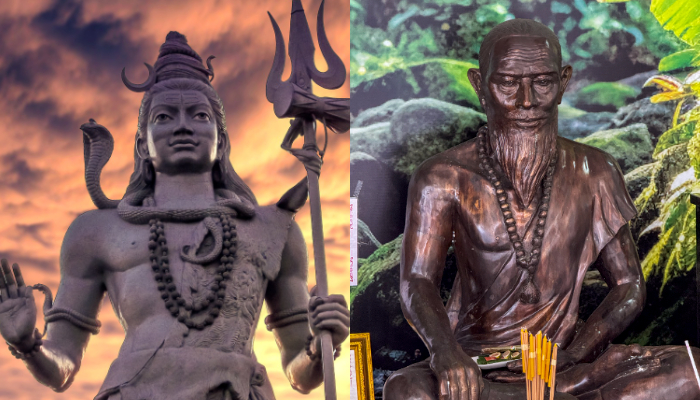
Lord Shiva – Daikoku
Daikoku is linked to Shiva through the form of Mahakala. He is worshipped for wealth, protection, and good harvests. He is usually shown holding a golden mallet and standing on rice bales.
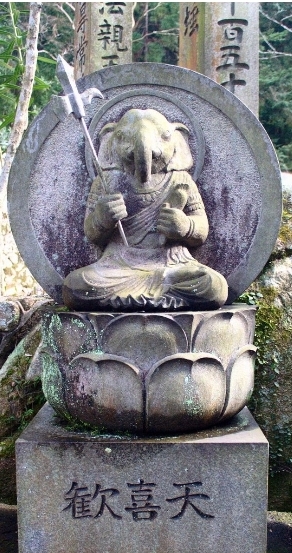
Lord Ganesha – Kangiten
Kangiten is Japan’s version of Ganesha. Known as the remover of obstacles, he brings success and happiness. He is often shown as two figures embracing, symbolising harmony and good fortune.
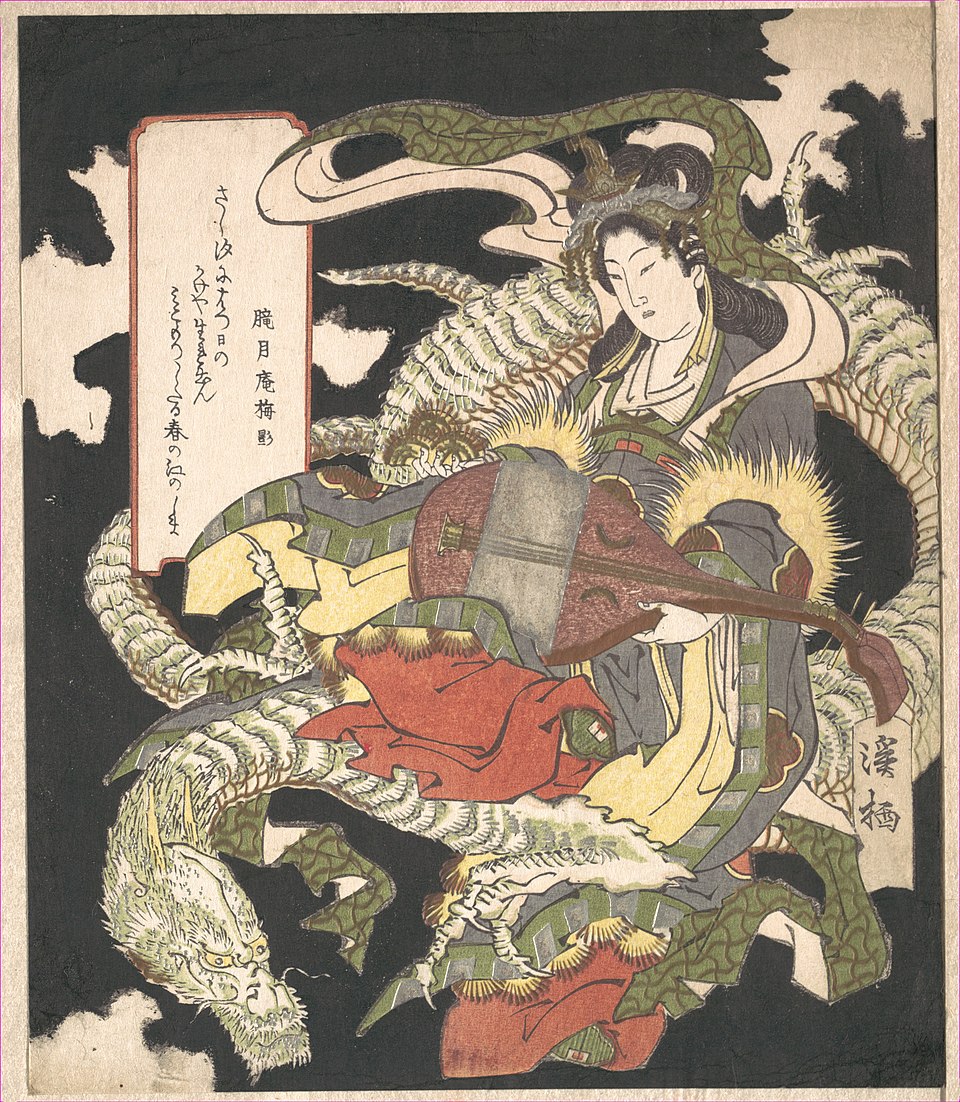
Goddess Saraswati – Benzaiten
Benzaiten comes from Saraswati and is one of Japan’s Seven Lucky Gods. She represents knowledge, music, art, and beauty. Many coastal and riverside temples honour her.
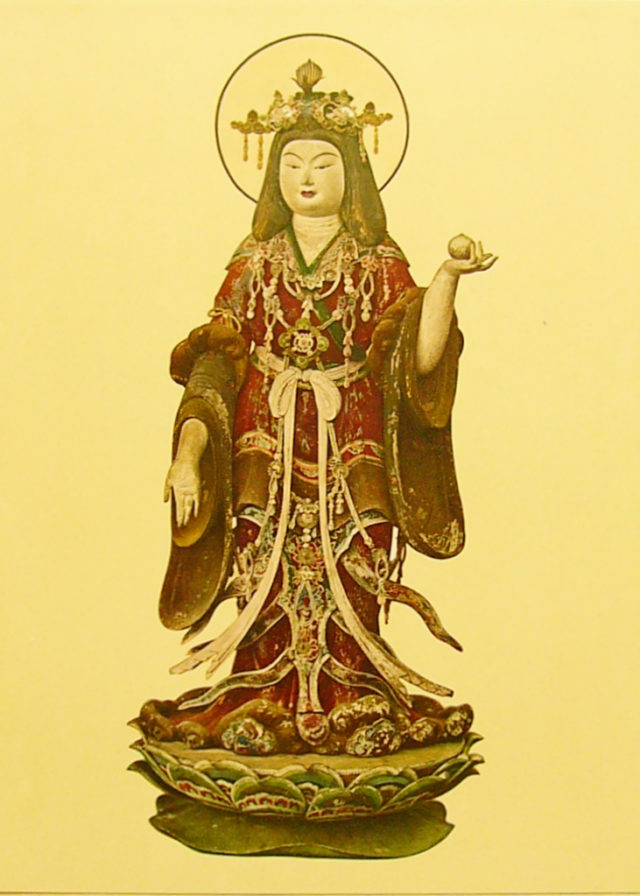
Goddess Lakshmi – Kichijoten
Kichijoten is inspired by Lakshmi and symbolises beauty, prosperity, and happiness. She is depicted as a graceful woman who brings abundance and good luck.
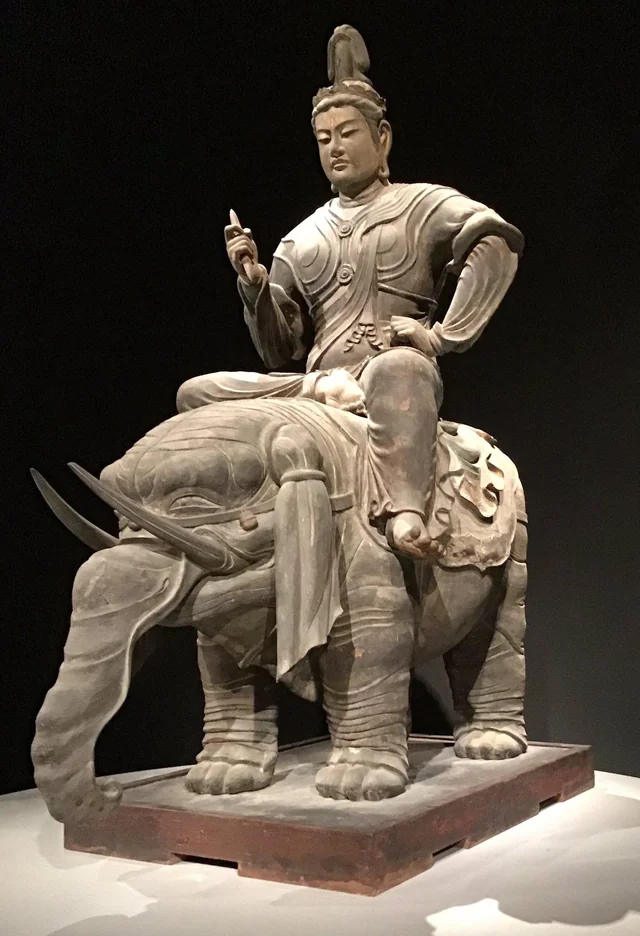
Indra Dev – Taishakuten
Taishakuten is Japan’s form of Indra. Seen riding an elephant, he is worshipped as a powerful protector and guardian of communities.