
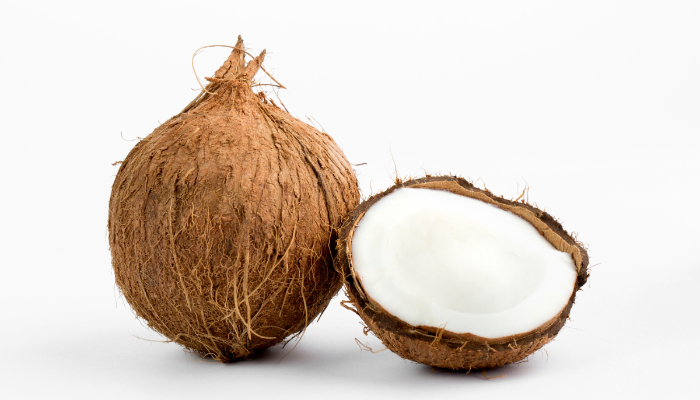
Coconut is more than just an ingredient in Indian kitchens; it is a tradition, a flavour enhancer, and a staple in countless recipes. From chutneys to curries, its presence is undeniable. But for those managing diabetes, this much-loved fruit often sparks an important question: Is it truly safe to eat?
Coconut’s Unique Nutritional Profile
The answer isn’t a straightforward yes or no. It is special because most of its carbohydrates come from fibre rather than sugar. This fibre slows digestion and helps prevent sudden blood sugar spikes. Research also shows that coconut flour and other fibre-rich foods can lower the glycaemic index of meals. This makes them far more diabetic-friendly compared to processed carbohydrates.
The Catch: Calories and Saturated Fat
However, it comes with a catch. While it may not raise blood sugar significantly, it is also high in calories and saturated fat. Overeating can therefore lead to weight gain and increase the risk of heart disease—conditions that diabetics are already more prone to. Portion control is crucial here. Nutrition experts suggest around 30–40 grams a day, which equals about two to three tablespoons of grated coconut, as a safe and manageable amount.
Health Benefits Beyond Sugar Control
When eaten in moderation, it offers benefits that go beyond blood sugar management. The medium-chain fats it contains are quickly converted into energy rather than being stored as body fat. It is also rich in minerals like manganese, copper, and iron, which support metabolism and energy production. Combined with its fibre content, these nutrients can improve insulin sensitivity and aid digestion. They can even help control appetite by keeping you full for longer.
Smart Ways
The best approach is to stick to fresh, unsweetened coconut. Processed or sweetened coconut products and desserts should be avoided, as they often come loaded with sugar. Pairing coconut with low-glycaemic foods such as vegetables, dals, or salads makes meals healthier and more balanced.
Diabetics can safely enjoy coconut, but only with care. Keep portions modest and monitor your body’s response. Think of it as a supportive ingredient, not a free indulgence. With mindful eating, this humble fruit can remain part of the daily diet without compromising health.