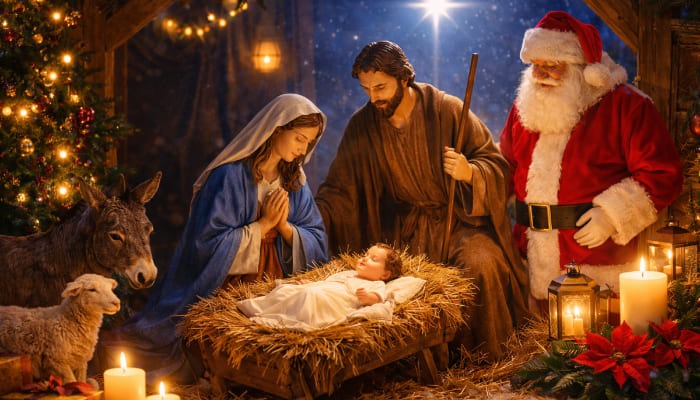

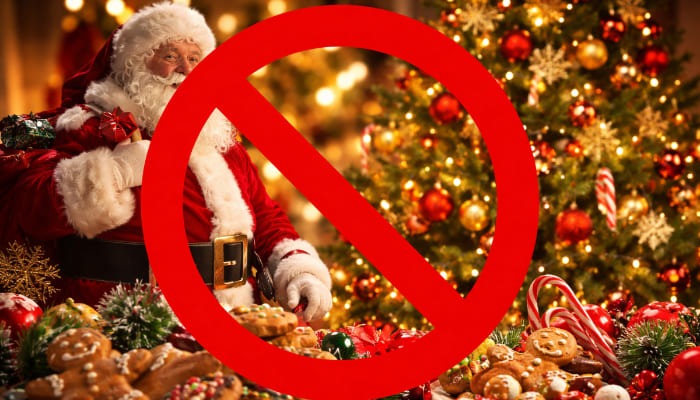
When December arrives, much of the world turns festive—but not everywhere. In several countries, Christmas Celebration Banned rules mean no trees, no carols, and no public cheer. These bans aren’t random; they’re shaped by religion, politics, and cultural control. Curious why a holiday loved by millions is restricted in some places? Let’s explore where Christmas celebration bans exist and the reasons behind them. Here’s a look at countries where Christmas celebrations are banned or officially restricted due to religious, cultural, or political reasons.
Christmas Celebration Banned
Saudi Arabia
Christmas is restricted here because it does not align with Islamic beliefs. Public celebrations are avoided to prevent cultural and religious conflict.
Somalia
Christmas is banned in Somalia to maintain strict Islamic traditions. Security risks and extremist threats make celebrations unsafe and illegal.
Brunei
Public Christmas celebrations are banned in Brunei under Sharia law. Non-Muslims can celebrate privately, but public displays are not allowed.
North Korea
Christmas is banned in North Korea because religion challenges the state ideology. Any celebration not linked to the ruling leadership is forbidden.
Tajikistan
Christmas is restricted in Tajikistan to reduce foreign cultural influence. Authorities promote local traditions over Western holidays.