

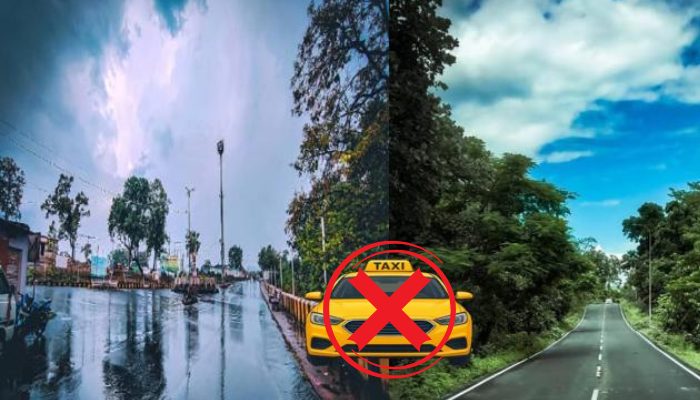
No taxis, no Ola-Uber, can you imagine a town where a simple wave can get you a ride? That is Chirmiri in Chhattisgarh. Here, locals follow a unique and charming tradition called ‘lifts’, offering free rides to anyone waiting on the roadside. Over the years, this practice has become more than just a way to travel. It reflects the city’s strong sense of community and generosity. In Chirmiri, sharing a ride is part of everyday life. It connects neighbours, strangers, and friends alike, creating bonds and fostering togetherness along every route.
Hills Shape Travel
Spread across eight elevated zones, Chirmiri’s hilly terrain makes conventional public transport nearly impossible. Several attempts to introduce auto-rickshaws or city buses have failed. Today, residents rely on passing motorists for lifts, sometimes even offering rides to strangers. Over time, this culture of giving and accepting rides has become an integral part of daily life. It forms the backbone of the city’s transport system.
Jeeps Rule Roads
Chirmiri, home to around 85,000 people, stretches over 29 kilometres. This includes areas like Podi, Haldibari, Bada Bazaar, Domn Hill, Gehlapani, and Korea Colliery. Distances between zones range from 1 to 7 km. Steep, forested surroundings make auto-rickshaws impractical, leaving jeeps as the only workable mode of transport. These sturdy vehicles are perfectly suited to the rugged terrain.
Older residents recall a time when few coal workers even owned scooters. With formal transport scarce, giving lifts became a daily habit. Today, the tradition continues. It reflects the city’s cooperative spirit and neighbourly warmth.
Even government efforts, including a 10-year tender to introduce city buses, have failed due to poor roads and vehicle damage. Chirmiri’s lift culture remains indispensable. Newcomers may find it unusual, but locals navigate the city effortlessly, blending practicality with generosity.
In Chirmiri, transport is more than just a necessity – it is the city’s heartbeat. The culture of lifts connects people, fosters community, and showcases a remarkable mix of resourcefulness, humanity, and tradition.