
Recent reports of sudden deaths caused by cardiac arrest have highlighted this silent and deadly condition. Among them, claims that actress Shefali Jariwala died of Cardiac arrest have shocked fans and sparked widespread concern. Still, no credible or verified source has confirmed her death.
Many people think that a cardiac attack and a heart attack are the same, but they are two different medical emergencies. Understanding their differences could be crucial in saving a life.
Cardiac Arrest vs Heart Attack
A myocardial infarction is commonly referred to as a heart attack. It happens when a blockage, usually a blood clot, interrupts the flow of oxygenated blood to the heart. As a result, the heart muscle begins to suffer damage due to a lack of oxygen.
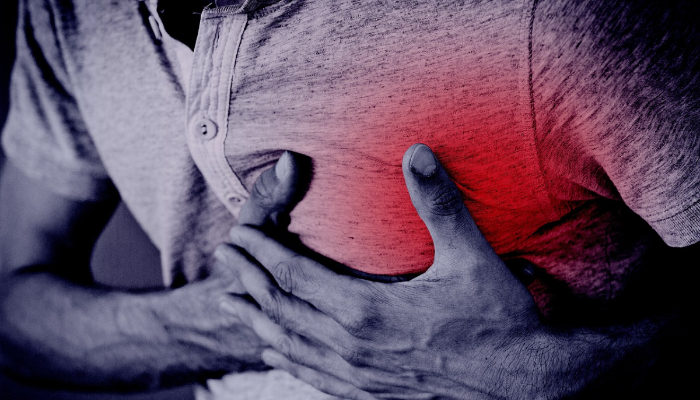
Common symptoms include chest pain, pain in the arms or back, shortness of breath, and nausea. These signs may develop gradually and can vary between men and women. People who have known health issues, such as high blood pressure, high cholesterol, diabetes, or smoking history, are more likely to be at risk.
Cardiac arrest happens when the heart suddenly stops beating due to an electrical malfunction. The individual falls, becomes unconscious, and ceases to breathe. In contrast to a heart attack, a cardiac event often occurs unexpectedly. Without immediate help like CPR or a Defibrillator, it can turn fatal within minutes.
Symptoms and Risks
Heart attacks are commonly caused by coronary artery disease and lifestyle-related issues like high blood pressure, smoking, poor diet, and lack of exercise. Most people are already under treatment or aware of their heart condition.
Cardiac arrest can occur without prior warning. They are often caused by arrhythmias, irregular heartbeats, or hidden issues like an enlarged heart, valve disorder, or electrical problems. Even healthy individuals can be at risk, making it more unpredictable and deadly.
Both conditions are serious and life-threatening and require immediate attention. With cases like Shefali Jariwala’s, bringing attention to the dangers of cardiac arrest, it’s vital to stay informed, recognize symptoms early, and act quickly in emergencies.