
Bhai Dooj and Raksha Bandhan are two of India’s most cherished festivals for brothers and sisters, yet each carries its own unique significance and traditions. While Bhai Dooj focuses on sisters’ heartfelt prayers and blessings for their brothers’ well-being, Raksha Bandhan highlights brothers’ promises to protect their sisters. In India, these festivals celebrate the unwavering love, affection, and respect shared in the bond between siblings.
Bhai Dooj
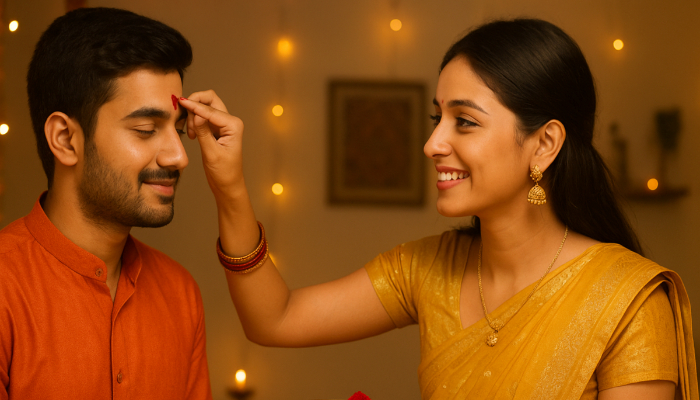
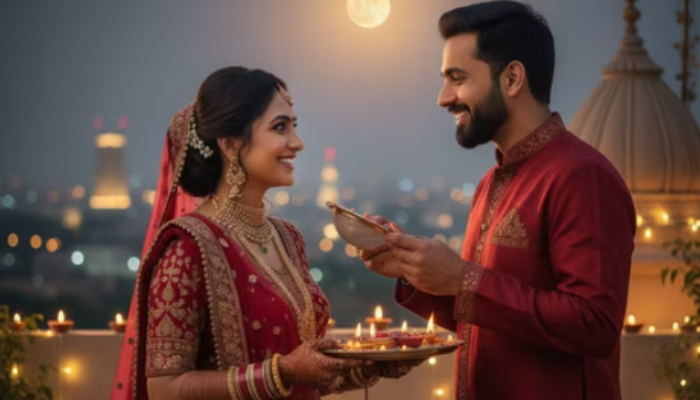
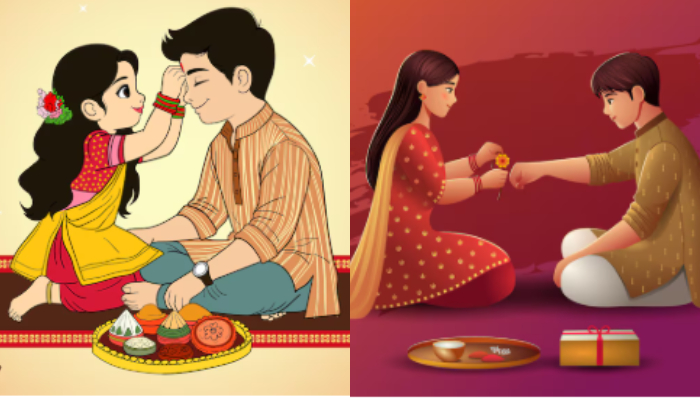
Bhai Dooj is celebrated on the second day of the bright fortnight of the Kartik month. It symbolises the love, devotion, and blessings of sisters. On this day, sisters apply vermillion, rice, and yoghurt on their brothers’ foreheads as a mark of protection and affection. Carrying a plate filled with sweets, roli, and coconut, they perform aarti and pray for their brothers’ long life, health, and happiness.
According to mythology, this festival includes Yamraj and Yami, where Yamraj grants a boon ensuring the sister’s protection. Also, Lord Krishna and Subhadra, where Krishna is welcomed with a ceremonial tilak after defeating Narakasura.
Raksha Bandhan
Raksha Bandhan is celebrated on the full moon day of the Hindu month of Shravan. On this day, sisters tie a sacred Rakhi around their brothers’ wrists, symbolising love, trust, and affection. The festival includes prayers, sweets, and gifts. In return, brothers pledge to protect their sisters from harm and ensure their safety.
This festival can be celebrated between cousins, friends, or even family members, making it a multifaceted celebration of care and protection.
Both festivals celebrate the sacred sibling bond. Bhai Dooj showcases the sisters’ blessings and prayers, while Raksha Bandhan highlights the brothers’ protection.