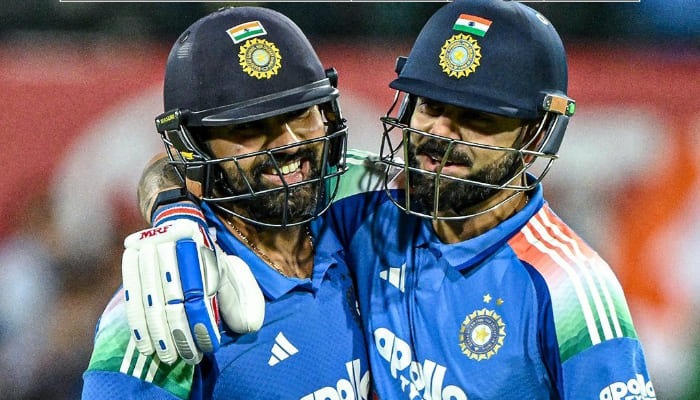

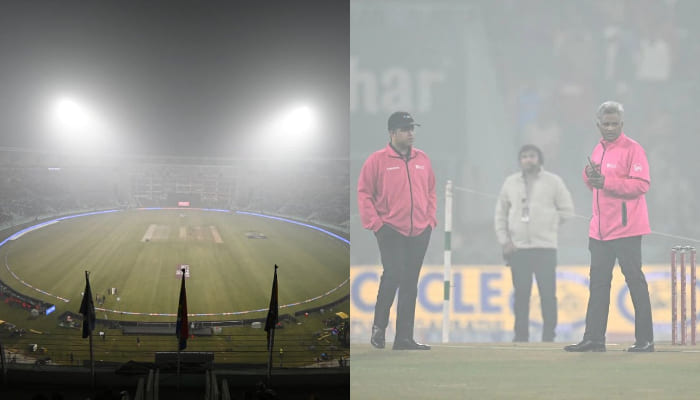
Indian cricket witnessed a rare incident on Wednesday as the 4th T20I between India and South Africa in Lucknow was abandoned without a single ball being bowled. The Air Quality Index (AQI) in Lucknow remained in the hazardous range, above 400, causing severe visibility issues due to dense fog and smog at Ekana Stadium. Even after six inspections by the umpires, play was deemed impossible, raising serious concerns about the BCCI’s commitment to players’ welfare.
The abandonment highlighted flaws in the BCCI’s scheduling during peak winter months in northern India. Venues like Lucknow, New Chandigarh, and Dharamsala are prone to high pollution and extreme cold, yet the board scheduled multiple matches there.
The absence of a reserve day forced both teams to fly to Ahmedabad for the final T20I. Star players, including Hardik Pandya, had to wear masks during warm-ups, while the crowd gradually dispersed as the match was eventually called off at 9:30 PM.
Could the Mess Have Been Avoided?
Experts suggest that the BCCI could have swapped venues with the white-ball series against New Zealand in western and southern India, where weather and pollution risks are lower. Historical data show that north-zone venues frequently face disruptions during winter, and afternoon starts could have ensured at least partial play.
The series has now continued in Ahmedabad, but the incident has placed the BCCI under heavy criticism for negligence in planning and player safety.