

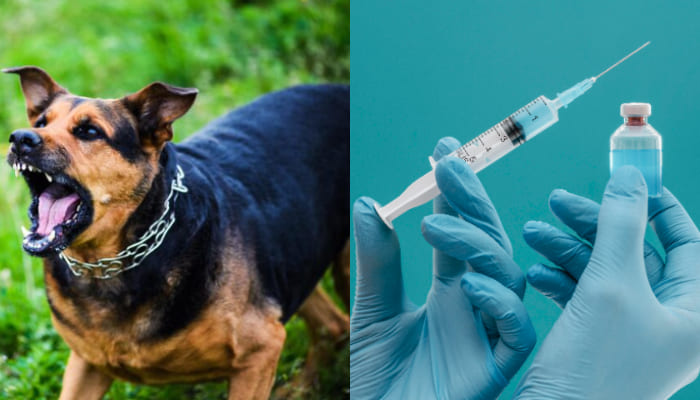
Australian health authorities have raised a public health alarm after counterfeit batches of the rabies vaccine Abhayrab were detected circulating in India. The alert, issued by the Australian Technical Advisory Group on Immunisation along with state health departments, warns that travellers who received this vaccine in India from November 1, 2023, onwards may not be protected against the deadly virus.
Scope of Counterfeit Distribution
The falsified vaccine was first identified by the manufacturer, Indian Immunologicals Limited, in early 2025. Authorities discovered that counterfeiters had replicated genuine batch numbers, particularly batch number KA24014. While the authentic Abhayrab vaccine is WHO-prequalified and highly effective, the fake versions show significant differences in chemical composition, packaging, and labelling.
The distribution of these counterfeit vials has been noted in major Indian cities, including Delhi, Mumbai, Ahmedabad, and Lucknow. However, the full geographic spread of the fake vaccine remains uncertain.
High Risk and Fatal Implications
Rabies is a viral disease that attacks the central nervous system and is almost 100 per cent fatal once symptoms appear. Because the counterfeit vaccine may lack the necessary viral antigen or may have been improperly stored outside the required cold chain, there is a high risk of treatment failure.
Authorities emphasised that visually distinguishing between genuine and fake vials is nearly impossible. Therefore, any Abhayrab dose administered in India during the specified period should be considered invalid.
Guidance for Travellers and Healthcare Providers
The Australian government has advised anyone vaccinated with Abhayrab, or unsure of the brand received since November 1, 2023, to consult a healthcare provider immediately. Replacement doses using vaccines registered in Australia, such as Rabipur or Verorab, are strongly recommended.
For travellers planning to visit India, officials advise completing a full course of rabies vaccination in Australia before departure. Keeping photographic evidence of vaccine packaging, labels, and batch numbers is essential. Additionally, maintaining a safe distance from street animals, such as dogs and monkeys, remains the most effective preventive measure in rabies-endemic areas.
Global Context and Precautionary Measures
This alert comes after similar investigations by the UK Health Security Agency and the CDC following a rabies-related death linked to treatment sought in India. Health authorities stress that strict adherence to vaccine verification and preventive measures is crucial to avoid potential fatalities.