
With Pakistan’s economy in dire straits, the government has launched a drastic privatisation push to avert a deeper financial crisis. State-run organisations have cost taxpayers billions over the years due to losses. Authorities now say that dumping these assets is necessary to reduce debt, enhance efficiency, and provide much-needed capital into the system.
Banks Head for Private Hands
The proposed sale of First Women Bank Limited (FWBL) and Zarai Taraqiati Bank Limited (ZTBL) is among the most significant developments. The government feels that state ownership has impeded the performance and growth of these banks. By privatising them, it hopes they will be better managed, improve services, and reduce the burden on the exchequer.
Landmark Hotels Go on Sale
Some of Pakistan’s most renowned hospitality assets also fall on the privatisation list. Services International Hotel in Lahore and the Roosevelt Hotel in New York will be sold. These properties are expected to bring high returns for officials, and the proceeds would boost Pakistan’s foreign exchange reserves at a time when dollar inflows are urgently needed.
Power Plants Under Review
Another key concern is the loss-making public power sector. Several energy generation companies (GENCOs), such as the Jamshoro and Lakhra plants, are under consideration for divestment. These units have been heavily dependent on the government for survival. They are to be sold to alleviate constant losses and ease pressure on the national budget.
Insurance and Utility Networks Included
The privatisation programme is not restricted to banks, hotels, and power plants. The government is also determined to sell the State Life Insurance Corporation and the large network of Utility Stores operating across the country. According to officials, the intention is to reduce direct state involvement in commercial activity and allow markets to take control.
Controversy Heats Up in Country
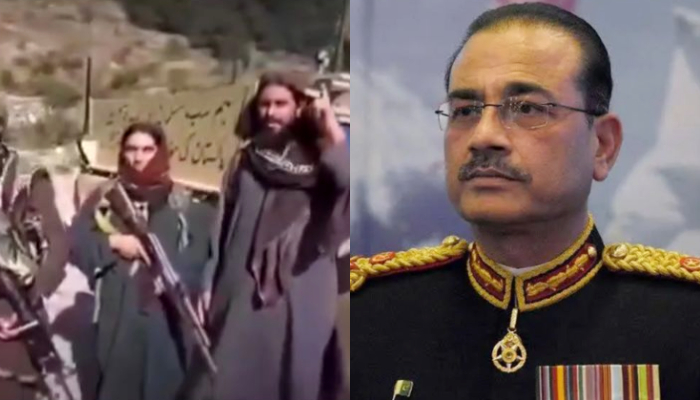
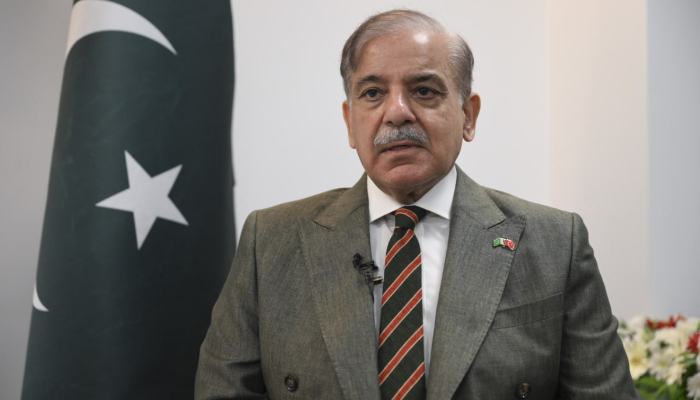
Army Chief General Asim Munir and Prime Minister Shehbaz Sharif are overseeing this sweeping privatisation push under Pakistan’s hybrid political system. Supporters view the plan as the only viable path to economic recovery.
However, critics warn that selling strategic assets reflects poor governance and could leave the country vulnerable. While the strategy may stabilise finances in the short term, its long-term impact on sovereignty, public services, and economic independence remains a subject of intense debate.