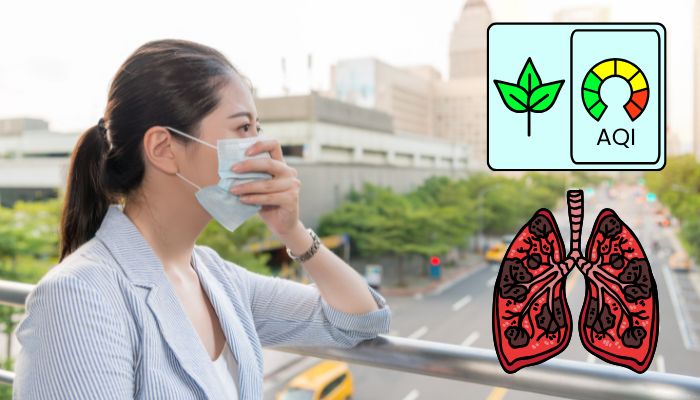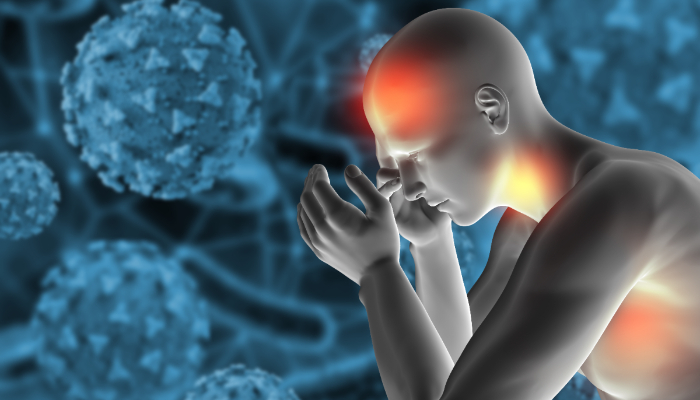


Vaping is a very common term, especially among young people. It is often seen as a modern and safer alternative to smoking. But what if we say that this “cool” habit can cause serious damage to lung health? Although research on vaping is still ongoing, doctors are already seeing an increase in lung-related problems associated with e-cigarette use.
Dr Stephen Broderick, a lung cancer surgeon at Johns Hopkins, says there has been a sharp increase in patients who vape. While smoking has been studied for many decades, vaping is still relatively new. Because of this, its long-term effects are not fully known.
What Happens Inside Lungs
Vaping involves a liquid that is converted into vapour and inhaled deep into the lungs. Unlike medical treatments, it does not help the lungs. Instead, it introduces harmful chemicals that can damage lung tissue.
Harmful Chemicals in Vape Liquids
Nicotine or THC is present in vape liquids, along with added flavours and oily ingredients. Vitamin E acetate, a chemical used to thicken these liquids, is safe for skin or supplements but can irritate the lungs when inhaled. Doctors have found this chemical in the lungs of people who suffered serious injuries linked to vaping.
Lung Diseases Linked to Vaping
Small airway damage can lead to serious breathing problems, including a condition known as popcorn lung. Lipoid pneumonia occurs when oily substances enter the lungs and cause inflammation.
People with these problems may experience a long-lasting cough, shortness of breath, and may even cough up blood.
Cancer Risks and Second-hand Vapour
Vaping products have not been used long enough to confirm whether they cause cancer. However, health experts say that chemical particles may pose risks similar to smoking. Second-hand vapour is also unsafe.
When to Seek Medical Help
Chest pain, an ongoing cough, and breathing problems should never be ignored. These symptoms require immediate medical attention.