
The challenges faced by Hindus in Bangladesh have deep historical roots. At the time of the Partition of India in 1947, Hindus made up nearly one quarter of the population in what was then East Pakistan. Over the decades, political instability, communal tensions, and repeated outbreaks of violence pushed many Hindus to migrate, steadily shrinking their share of the population.
According to census data, Hindus now account for around 8% of Bangladesh’s population. Events such as the 1971 Liberation War further intensified vulnerabilities, as many Hindu communities were targeted during the conflict amid perceptions that they supported independence.
Political Perceptions and Vulnerability
Hindus in Bangladesh are often viewed as politically aligned with parties that advocate secular governance, particularly the Awami League. This perceived alignment has made them vulnerable during periods of political transition, especially around elections or shifts in power.
Local and international rights groups have noted that incidents of violence against minorities often spike during periods of political instability. During such times, rival factions seek to intimidate or punish those perceived as supporters of their opponents.
Land Disputes and Economic Pressures
Economic incentives have also contributed to targeting. For decades, laws such as the Enemy Property Act, later renamed the Vested Property Act, allowed authorities to seize land largely owned by Hindus. Although reforms in the 2000s aimed to return seized property, weak implementation has left many former owners unable to reclaim their land.
Civil society organisations have documented land grabbing as a common underlying cause of attacks on Hindu families, particularly in rural areas.
Rise of Religious and Mob Violence
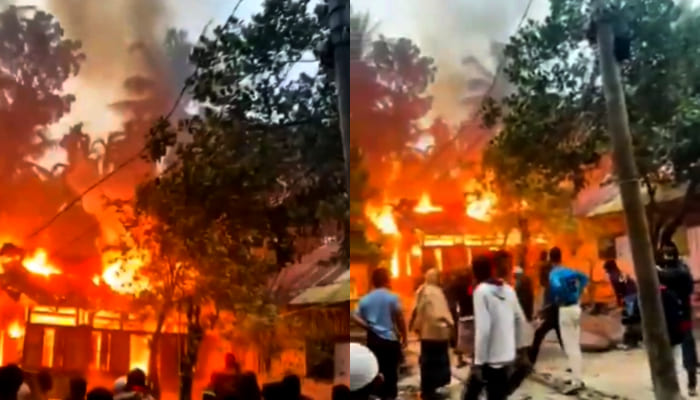
Beyond political and economic factors, religious extremism and mob violence have played a role. Since the early 2000s, extremist groups have carried out attacks on temples and minority neighbourhoods. False accusations spread on social media have also triggered violence, which later investigations found to be fabricated.
Recent Lynching Highlights Ongoing Risk
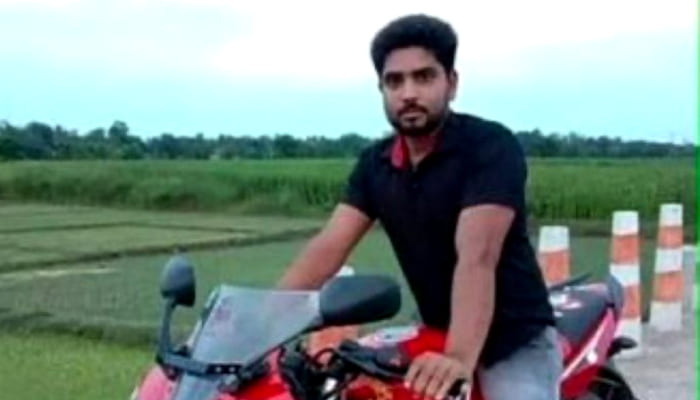
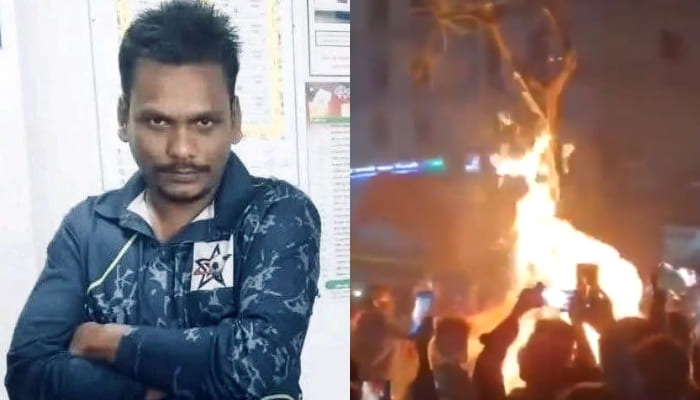
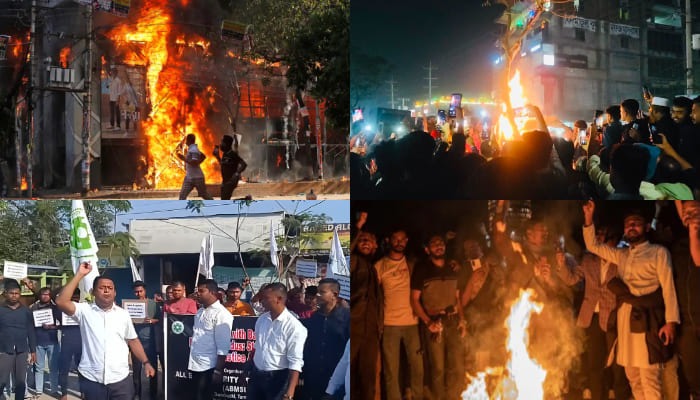
A stark example occurred in December 2025, when Dipu Chandra Das, a 25-year-old Hindu garment worker, was lynched by a mob in Mymensingh after allegations of blasphemy were made against him. His body was tied to a tree and set on fire during a period of heightened unrest in the country.
The brutal killing sparked protests by minority groups in Dhaka demanding justice and highlighted the fragile security situation for minorities.
Gaps in Law Enforcement and Justice
Another recurring concern is the weak enforcement of laws meant to protect minorities. Delayed police responses, slow judicial proceedings, and political pressure have often allowed perpetrators to act with impunity.
Complex Pattern of Targeting
Overall, violence and discrimination against Hindus in Bangladesh stem from a combination of historical marginalisation, political perceptions, economic pressures, rising extremism, and weaknesses in governance.