
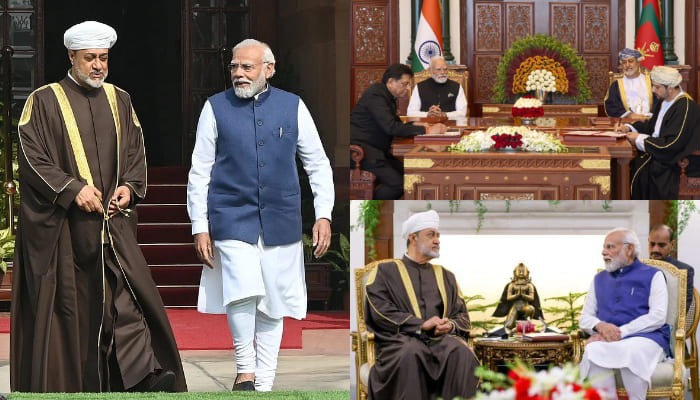
India has signed a Comprehensive Economic Partnership Agreement with Oman. The move is part of a broader strategy to counter the impact of steep US import tariffs and expand trade in new markets, especially in the Middle East. The pact was signed in Muscat in the presence of Prime Minister Narendra Modi. Oman’s Sultan Haitham bin Tarik was also present at the signing ceremony.
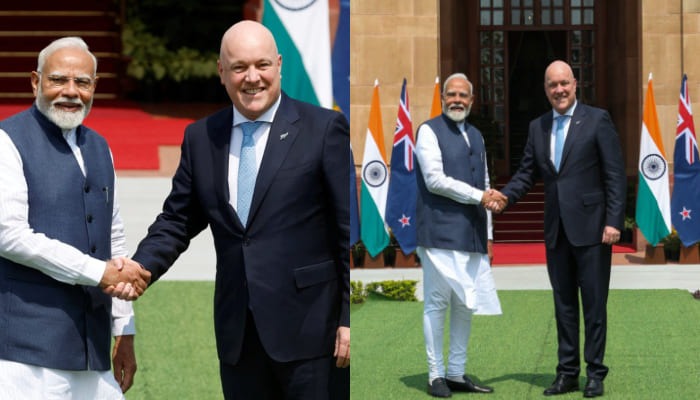
This marks India’s second free trade agreement in six months. The first agreement was signed with the United Kingdom earlier this year.
India-Oman Deal Expands Trade
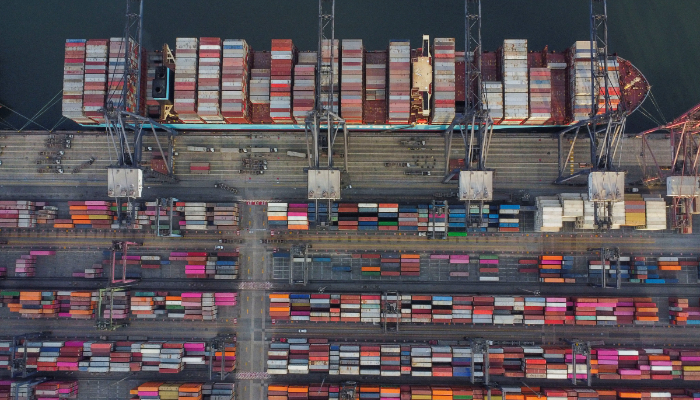
Under the deal, Oman will grant zero-duty market access on 98.08% of its tariff lines. This covers most Indian exports, including engineering goods, textiles, gems and jewellery, pharmaceuticals, automobiles, and agricultural products. In return, India will reduce tariffs on 77.79% of its tariff lines. These concessions cover nearly 95% of imports from Oman by value.
Bilateral trade between India and Oman currently exceeds 10 billion dollars (Rs 83,000 crore) annually. The agreement is expected to further boost trade and investment flows.
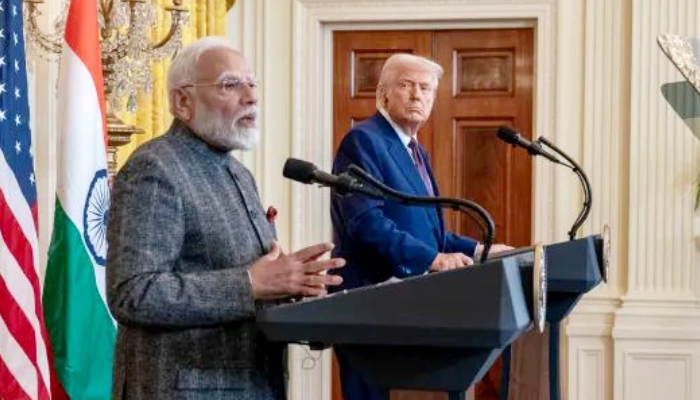
The deal comes at a time when Indian exporters face pressure from 50% US import tariffs. These tariffs have affected sectors such as textiles, auto components, and metals. By accelerating free trade agreements, India aims to diversify export destinations. This approach is intended to cushion the economy from external trade shocks.
The Oman pact also strengthens India’s strategic presence in the Gulf region. Oman plays a key role as a gateway near the Strait of Hormuz, a global oil transit route.