
Have you ever paused while watching the Indian Tricolour rise and wondered who designed this powerful symbol of the nation? The Tiranga is more than just a flag; it represents sacrifice, unity, and the ideals of a hard-fought freedom. Adopted just before Independence, its colours and emblem reflect the values that shaped modern India. Yet, despite its daily presence, the story behind its design and creator remains unknown to many.
Who Designed Indian Tricolour
The Indian national flag was designed by freedom fighter Pingali Venkayya, born in 1876 in present-day Andhra Pradesh. He created the original flag for the Indian National Congress, which later evolved into the Tricolour. The Constituent Assembly officially adopted it on July 22, 1947, ahead of Independence. Though long overlooked, Venkayya’s contribution is now widely recognised.
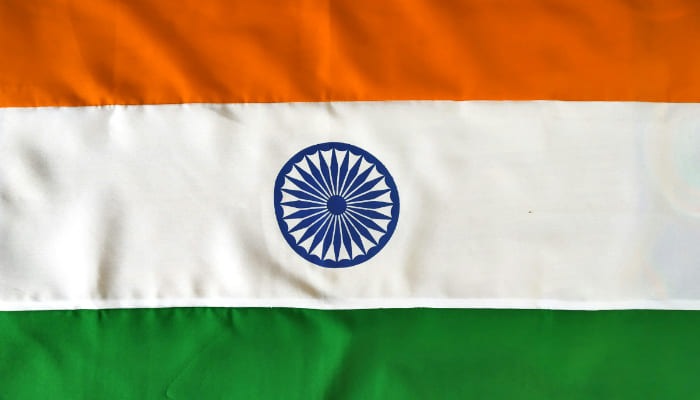
Meaning and Design of Tricolour
The Tiranga features three horizontal bands: saffron, white, and green. Saffron stands for courage and sacrifice, white symbolises peace and truth, while green represents faith and prosperity. At the centre is the navy blue Ashoka Chakra, inspired by Emperor Ashoka’s Lion Capital. Its 24 spokes signify constant movement, progress, and commitment to justice under the principles of Dharma.