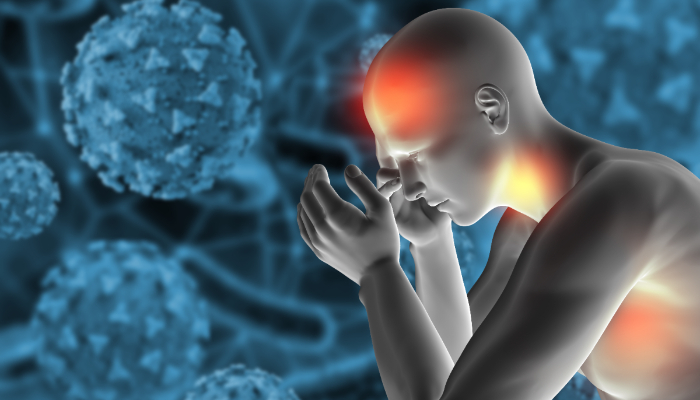


As the festive holidays come to an end, celebrations often leave behind memories of colourful gatherings, comfort food, and long nights. However, once the excitement fades, many people experience fatigue, bloating, cravings, irregular sleep, and a general sense of being unwell. This post-festive dip is not just psychological; it is your metabolism responding to excess sugar, disrupted sleep cycles, and emotional overwhelm.
The good news is that with a few intentional habits, your energy, gut health, and hormone balance can recover faster than you might expect.
Why Your Body Crashes After Holidays
The post-festive slump is more common than most people realise. Every year, there is a noticeable spike in uncontrolled blood sugar levels, fatigue, and metabolic disturbances immediately after the festive season.
Sugar-heavy sweets, irregular routines, and late-night celebrations create what is often referred to as a post-festive metabolic crash. This slump affects everyone, not just those with diabetes or pre-diabetes, and is triggered by cumulative habits such as overeating, stress, poor sleep, and reduced physical activity.
Science Behind the Slump
Excessive sugar intake causes sudden glucose spikes followed by energy dips, irritability, and intense cravings. Travel, social commitments, and inadequate hydration can further reduce insulin sensitivity, leading to bloating, inflammation, and sluggish digestion. Gut health also suffers after days of excess sugar and fried foods.
Including fermented foods such as curd, homemade pickles, and probiotic drinks can help restore microbial balance and support digestion.
Doctor-Approved Strategies to Reset
Resetting your body begins with simple habits:
- Start your day with a warm glass of lemon water and maintain steady hydration of 2.5 to 3 litres daily.
- Coconut water and herbal teas can gently support metabolism.
- Incorporating fibre-rich fruits, vegetables, and whole grains helps stabilise metabolic function.
- Light exercise, such as brisk walking, yoga, or stretching, improves metabolism and supports blood sugar control.
- Even 20 to 30 minutes of daily walking makes a significant difference.
- Meditation for 10 minutes can also reduce cortisol spikes caused by festive stress.
Prioritising Sleep and Long-Term Health
Getting seven to eight hours of uninterrupted sleep with consistent sleep–wake timings is essential to rebalance hormones and curb cravings. People with diabetes should resume routine monitoring immediately rather than waiting for symptoms to escalate.
A post-festive metabolic crash is completely preventable and reversible. With steady hydration, balanced meals, mindful movement, and quality sleep, your body can return to its natural rhythm. Extreme detoxes or guilt-driven restrictions are unnecessary. Intentional habits that prioritise balance, nourishment, and long-term metabolic health are key.