
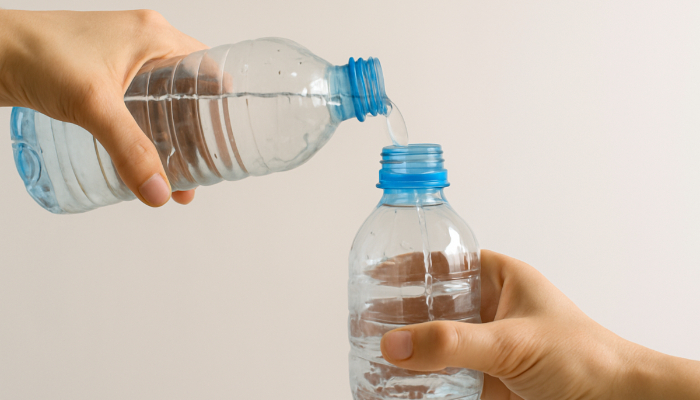
Ever wondered what really happens inside a plastic bottle after days of refilling it? It may look clean, feel light, and seem completely harmless but the changes happening inside are too small for the eye to catch. Micro-cracks form with every squeeze, heat softens the material, scratches trap dirt, and germs settle in corners we rarely scrub. Over time, a reusing plastic bottles that once held clean water can slowly turn into a hidden health risk. Here are six dangers worth paying attention to.
Why Reusing Plastic Bottles Becomes Risky
Each drop, twist, or bag toss creates micro-cracks that hold moisture and bacteria. Heat from cars, scooters or windows pushes chemicals into the water as the material softens. Even regular rinsing can’t reach the tight corners around lids and threads where germs settle. These risks build quietly and often go unnoticed because the water’s taste or smell doesn’t change.
Why Old Bottles Become Harder to Clean
Reusing Plastic Bottles leaves thin scratches inside the bottle, making cleaning harder each time. Disposable bottles are made with thin plastic that wears out quickly, becoming unstable and more likely to leach chemicals. Moisture left inside caps, grooves, and flip tops can also lead to mould growth. It often starts invisibly, and many people mistake the early signs for stale water. By the time any spot appears, the bottle has already been unsafe for days.