
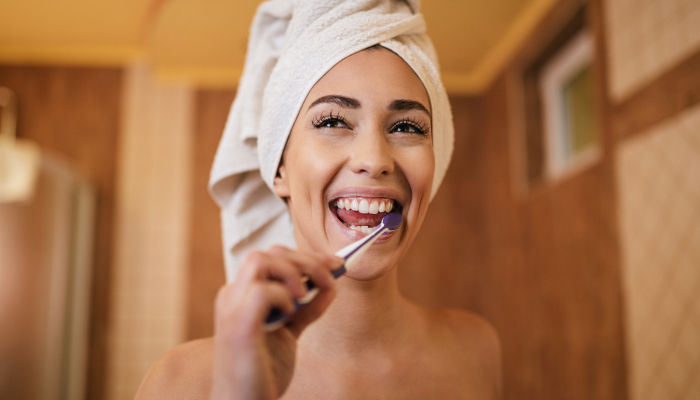
Brushing your teeth is something you do every day without thinking, but switching to your non-dominant hand can turn this simple task into a powerful brain exercise. Researchers say that using the opposite hand activates different parts of the brain, helping strengthen memory, focus, and mental flexibility. Because the movement feels new and unfamiliar, your brain works harder, creating fresh neural pathways. This small habit can support long-term brain health and sharpen your cognitive abilities over time.
Brushing Teeth with Your Non-Dominant Hand
Using your non-dominant hand engages the less active hemisphere of your brain, making it work in new ways. This extra effort boosts concentration, improves problem-solving skills, and encourages the growth of new neural connections. The brain responds positively to unfamiliar challenges, and even a simple task like brushing teeth can stimulate areas linked to thinking and learning. Over time, this regular challenge may help enhance mental alertness and overall cognitive performance.
A Quick Brain-Boosting Habit
Practising everyday tasks with your non-dominant hand doesn’t just sharpen the mind; it also improves hand-eye coordination and fine motor skills. Because your brain needs to guide movements more carefully, it becomes better at adapting to new situations. This increases mental flexibility while strengthening physical control. Adding this small change to your routine can support both cognitive and motor development, making it an easy, practical step towards better overall brain and body balance.