

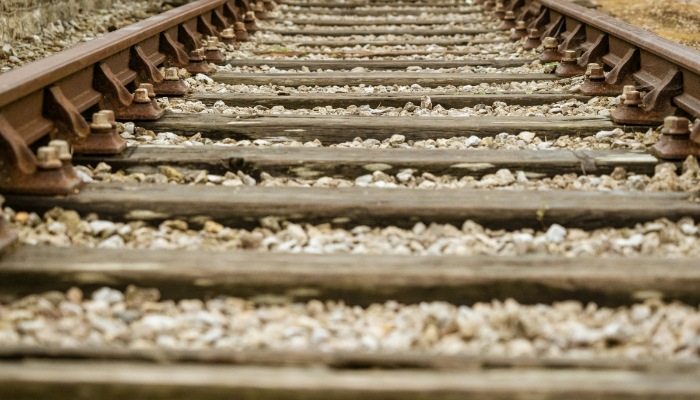
If you’ve ever stood near a railway line and looked closely, you’ve probably noticed the layer of jagged stones beneath the rails. Those crushed stones placed below railway tracks are not there by accident. They’re known as track ballast, and they’re one of the most important parts of railway construction. These stones form a tough, stable foundation that keeps the tracks in place, drains rainwater, and absorbs the tremendous pressure from passing trains, ensuring smooth and safe travel every day.
How Crushed Stones Keep Tracks Stable
The crushed stones placed below railway tracks create a solid, balanced foundation. They hold the sleepers—wooden or concrete blocks—in place and prevent them from sliding or tilting under pressure. These sharp-edged stones interlock tightly, offering resistance against train movement. Made from durable rocks such as granite or basalt, the ballast helps distribute the immense weight of trains evenly, keeping the rails level and preventing dangerous shifts that could affect safety or comfort.
Crushed Stones Placed Below Railway Tracks
Another key reason why crushed stones are placed below railway tracks is drainage. When it rains, the gaps between the stones allow water to flow away quickly instead of collecting under the rails. This prevents mud and erosion, which could weaken the ground beneath.
The ballast also shields the sleepers from weeds, roots, and moisture damage. It even acts as a natural shock absorber, softening the noise and impact of trains moving at high speed. Over time, railway workers use special machines to re-tamp or renew the ballast, keeping it strong and even for years to come.