
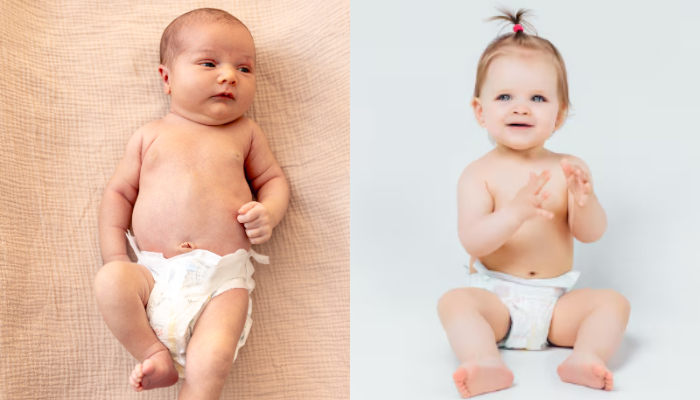
In today’s world, diapers have become an essential part of childcare, keeping babies comfortable and parents stress-free. They are used from infancy to toddlerhood for their convenience and high absorbency. However, growing concerns among parents have surfaced due to claims that diaper use could harm a child’s kidneys, leaving many feeling anxious about their baby’s health.
Medical Experts Clarify the Facts
Doctors have completely dismissed this rumour, stating that there is no scientific evidence linking diapers and kidney damage. The kidneys are internal organs that filter blood, while diapers are external products that simply absorb urine. There is no direct contact or connection between the two.
Real Issue
Health experts emphasise that problems only arise when diapers are not changed regularly. Wearing a dirty or wet diaper for too long (usually more than three to four hours) can lead to rashes, irritation, or urinary tract infections (UTIs). If these infections occur frequently, they can put stress on the child’s urinary system, but the real cause is poor hygiene, not the diaper itself.
Understanding UTIs in Babies
Urinary tract infections in infants can cause symptoms such as fever, irritability, poor feeding, or foul-smelling urine. These infections are caused by bacterial entry into the urinary tract, not by wearing diapers. Maintaining hygiene during diaper changes and keeping the baby hydrated are key to prevention.
How Parents Can Maintain Good Hygiene
To ensure your baby stays safe and comfortable, doctors recommend simple care practices:
- Clean the baby’s skin gently with water or mild wipes before each diaper change.
- Apply a thin layer of baby rash cream or coconut oil to protect against irritation.
- Choose soft, breathable, and hypoallergenic diapers that allow air circulation.
- Change diapers promptly, especially after long naps or overnight use.
- For those preferring natural options, clean and dry cloth nappies are a good alternative.