
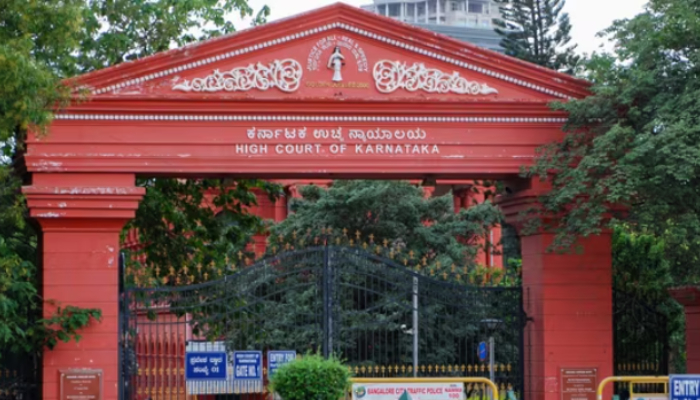
In a landmark judgment addressing the complexities of modern dating and consent, the Karnataka High Court has quashed a rape prosecution filed under Section 64 of the Bharatiya Nyaya Sanhita (BNS), 2023. This section is the successor to Section 376 of the Indian Penal Code, which earlier governed rape offences.
About the Case
The case stemmed from a complaint by a woman who met the accused through the dating app Bumble, later reconnecting on Instagram. After months of online communication, the two met in person on August 11, 2024, checked into a hotel, and engaged in physical intimacy.
Two days later, the woman lodged a complaint, alleging that although she initially consented, she withdrew consent during the act, which the accused ignored. The case, registered under Crime No. 306/2024, led to a charge sheet before the XXX Additional Chief Metropolitan Magistrate, Bengaluru, under C.C. No. 34011/2024.
Modern Dating and Consent Boundaries
Justice M. Nagaprasanna observed that the allegations did not withstand judicial scrutiny. The Court noted that the long-standing communication between the parties through social media clearly indicated mutual affection and consent. The complainant’s voluntary meeting, her return home with the petitioner the next morning, and the absence of immediate protest or medical evidence of coercion all pointed to a consensual relationship.
The judge famously remarked, “A relationship born of mutual volition, even if it founders in disappointment, cannot be transmuted into a criminal offence.”
Post-Facto Regret, Not Criminal Culpability
Addressing the complainant’s claim of withdrawing consent during the act, the Court stated that the prosecution appeared to be a “post-facto realignment of personal regret as criminal culpability.” Justice Nagaprasanna emphasised that belated claims of non-consent in an otherwise consensual encounter must be examined with caution, especially when unsupported by evidence or timely reporting.
The Court found significant contradictions in the complaint and timeline, observing that the complainant’s visit to Ramaiah Hospital for “stomach pain” and her delayed police report undermined her version of events.
Legal Precedents and Judicial Reasoning
Citing landmark Supreme Court judgments such as Dr Dhruvaram Murlidhar Sonar v. State of Maharashtra (2019), Deepak Gulati v. State of Haryana, and Uday v. State of Karnataka, the Court reiterated that not every failed relationship amounts to rape. It held that the existence of mutual consent and intention invalidates criminal charges of sexual assault.
The Court criticised the investigating officer for failing to include relevant chat records in the charge sheet. However, the chats submitted in court reportedly showed mutual flirtation and emotional intimacy. They also indicated voluntary participation, further disproving the allegation of coercion.
Court’s Final Verdict
Ultimately, the Karnataka High Court ruled that the case was based on “afterthought and personal remorse, not legal wrongdoing.” It quashed the FIR and proceedings against the accused, observing that continuing such a trial would be “a ritualistic procession towards miscarriage of justice.”