

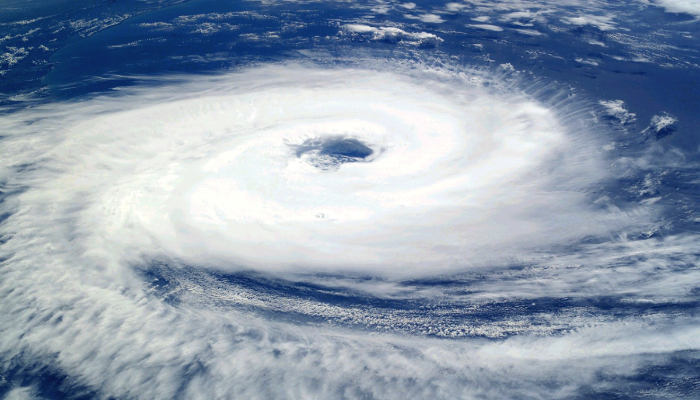
Cyclone Montha is a powerful tropical storm that recently developed over the Arabian Sea before moving towards the eastern coast of India. According to the India Meteorological Department (IMD), the weather system began as a low-pressure area over the Bay of Bengal and gradually strengthened into a cyclone due to warm sea temperatures and favourable wind patterns. Such cyclones are common during the post-monsoon season, when the sea surface remains warm enough to trigger strong storms and heavy rainfall across coastal regions.
Cyclone Montha brought heavy rain, strong winds, and high tides to several parts of Andhra Pradesh, Odisha, Tamil Nadu, and Puducherry. The IMD closely monitored its movement and issued safety warnings for fishermen and people living along the coast. Experts say these weather patterns highlight how rising ocean temperatures and changing wind conditions are fuelling the formation of severe tropical storms like Cyclone Montha in the North Indian Ocean.
How Cyclone Montha Got Its Name
The naming of cyclones in the North Indian Ocean is managed by the Regional Specialised Meteorological Centre (RSMC), New Delhi, which operates under the World Meteorological Organization (WMO). Thirteen member countries, including India, Thailand, Bangladesh, Oman, and Sri Lanka, contribute names to a pre-approved list.
The name Montha was suggested by Thailand. In the Thai language, Montha means “fragrant flower” or “beautiful flower.” Despite its destructive potential, the name symbolises something gentle and natural, reflecting the naming tradition’s aim of using simple and familiar identifiers rather than technical terms.
Cyclone names help avoid confusion when multiple systems develop simultaneously and make it easier for the public to follow weather updates. The use of names like Cyclone Montha ensures better communication, awareness, and preparedness among people living in affected coastal regions.