
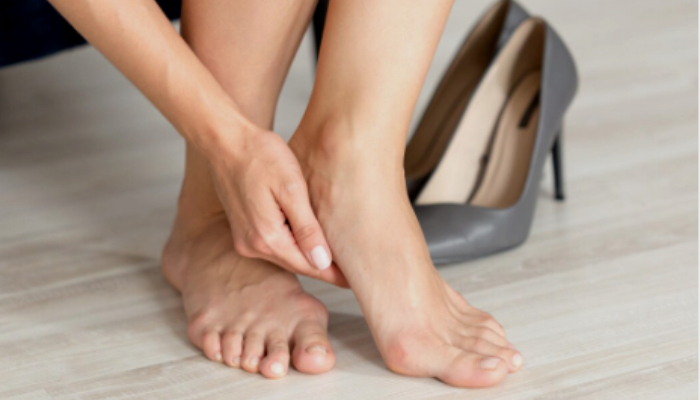
Did you know that nearly 23% of adults worldwide suffer from bunion disease? This painful and often misunderstood foot condition affects millions of people, especially women. A bunion, or hallux valgus, develops when the big toe tilts towards the second toe, creating a bony bump on the side of the foot. Over time, this misalignment can cause pain, swelling, and difficulty walking. Though often considered a minor issue, bunion disease can seriously affect mobility and comfort if left untreated. Early detection and proper care can reduce pain and prevent the bunion from worsening. Wearing the right shoes and avoiding high heels can help protect your feet. Consulting a podiatrist ensures personalised treatment and long-term foot health.
What is Bunion Disease?
Bunion disease develops when extra pressure on the foot joint causes the big toe to move out of place. This can happen due to genetics, wearing tight or high-heeled shoes, or having structural foot issues. Women are more likely to get bunions because of narrow footwear and joint flexibility. Over time, bunions can become painful and make walking difficult. If left untreated, the condition may worsen and affect balance. Wearing the right shoes early can help prevent bunion growth. Regular foot check-ups also help detect problems before they become serious.
Treatment Tips
Catching bunions early can make a big difference in reducing pain and preventing them from getting worse. Simple steps such as wearing wide, comfortable shoes, using soft padding or orthotics, and applying ice can ease swelling and discomfort. In serious cases, surgery might be needed to realign the bones. Doing foot exercises regularly, choosing suitable shoes, and seeing a podiatrist early can help keep your feet healthy. Maintaining a healthy weight and avoiding long periods of standing can also lower pressure on your feet. With the right care, bunions can be managed effectively, allowing you to stay active and comfortable every day.