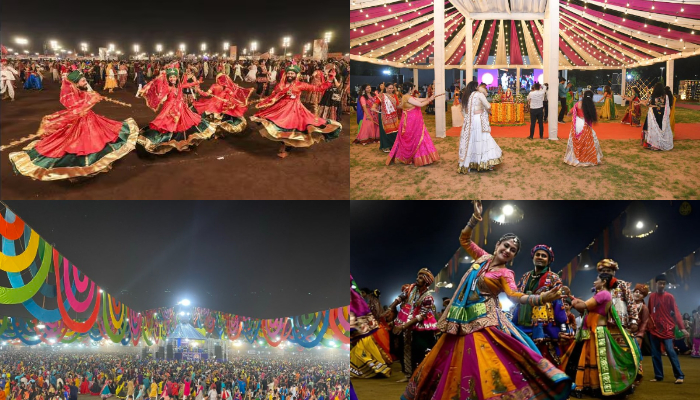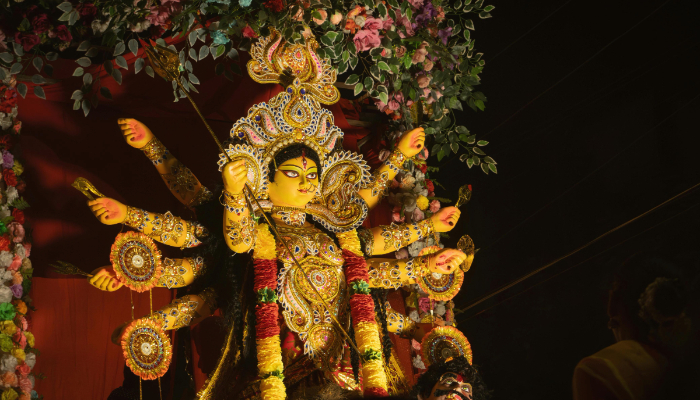

Navratri is being celebrated all over India with nine nights full of music, dance, devotion, and fun. Families and communities gather to honour Goddess Durga, celebrating her power and the victory of good over evil. Two popular dances during this festival are Garba and Dandiya Raas from Gujarat. Garba is graceful and devotional, while Dandiya is lively and performed with colourful sticks. Both dances are not just entertaining; they have spiritual meaning, help people feel connected to the goddess, spread happiness, and keep traditions alive.
What is Garba?
Garba is a traditional devotional dance performed in circles, usually around a clay pot called a garbha deep. The pot represents the body, and the lamp inside symbolises the soul. Dancers clap, sway, and twirl to devotional songs, showing the cycle of life, death, and rebirth. With Goddess Durga at the centre, Garba is a way to show devotion and celebrate life with joy, positivity, and togetherness.
What is Dandiya Raas?
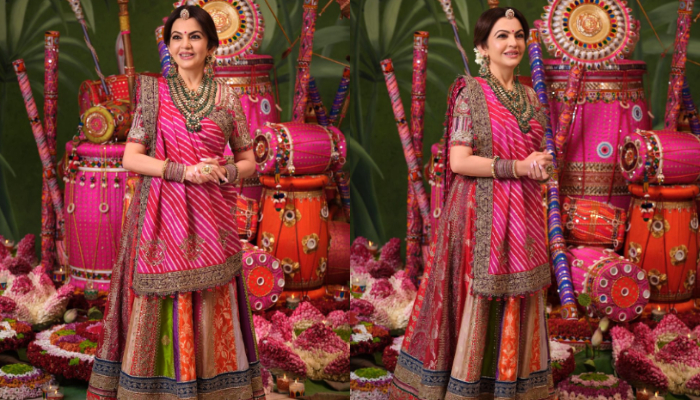
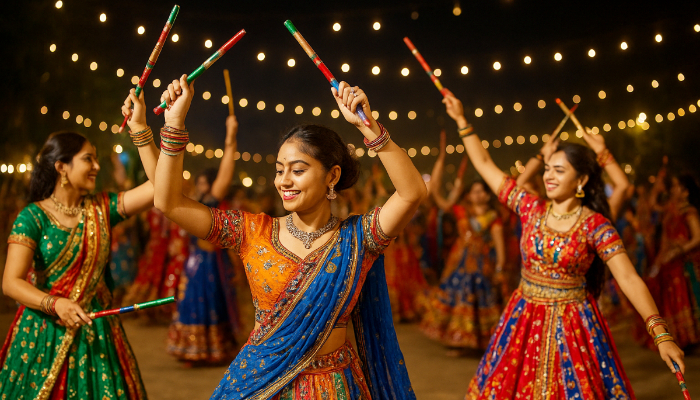
Dandiya Raas is a fun and energetic dance performed with decorated sticks, symbolising Goddess Durga’s sword used to defeat evil. Dancers move in pairs or groups, striking the sticks together in rhythm, creating a lively and joyful mood. Unlike the more devotional Garba, Dandiya is playful and celebratory, usually performed after Garba to maintain the energy and celebrate the victory of good over evil.
These dances are more than entertainment; they honour Goddess Durga and her victory over evil. Garba brings devotion and reflection, while Dandiya adds energy and celebration. Together, they unite communities, fill Navratri nights with joy, and keep traditions alive with music, dance, and spiritual connection.