
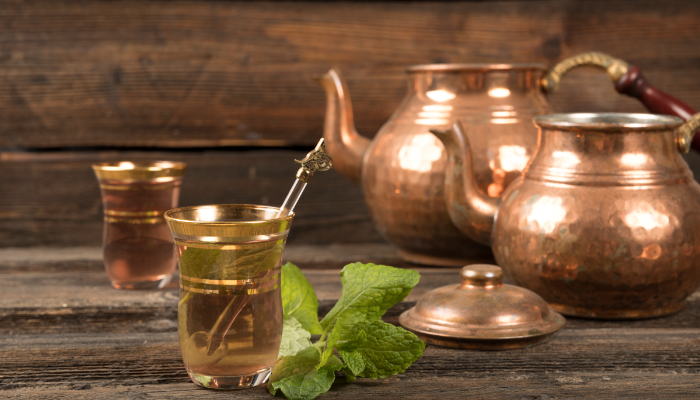
For generations, Indian households have trusted copper vessels as a secret to good health. Many people even swear by sipping copper-stored water first thing in the morning. They believe it boosts digestion, purifies the blood, and keeps the body energised. But here’s the catch: this age-old ritual is not safe for everyone.
Ayurvedic Significance of Copper
Copper is a fascinating metal known for its antimicrobial and healing properties. In Ayurveda, it is celebrated as a remedy for balancing the body’s three doshas – Vata, Pitta, and Kapha. When water rests overnight in a copper vessel, tiny amounts of the mineral dissolve into it. This creates Tamra Jal, or copper-charged water, which is believed to improve metabolism, enhance skin health, and even strengthen hair.
Who Should Avoid?
If you have kidney or liver problems, avoid drinking copper water, as it can put extra strain on these organs. Those allergic to copper may also suffer rashes, nausea, or other adverse reactions. Pregnant women and young children are advised to consult a doctor before making it part of their daily routine.
Precautions You Must Follow
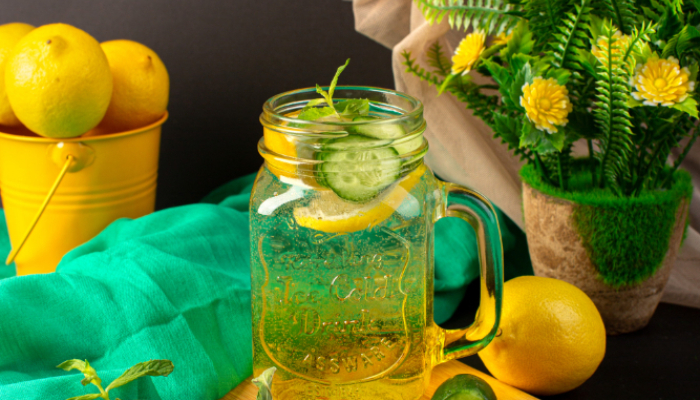
It’s not just about drinking copper water but also about how you store it. Never keep acidic foods or drinks such as lemon water, vinegar, or tamarind juice in copper containers. The same applies to milk and dairy products, as reactions can release harmful toxins. Always clean and dry the vessel properly after each use to prevent contamination.
Right Way to Use
So, should you stop using such vessels? Not at all. For healthy individuals, drinking moderate amounts of copper water in the morning can still be beneficial. The key is moderation and mindful use.
Copper vessel water is not a one-size-fits-all remedy. It can boost health for some but may pose hidden risks for others. Before turning it into a daily ritual, listen to your body and seek medical advice. True wellness comes from balance, not blind tradition.