
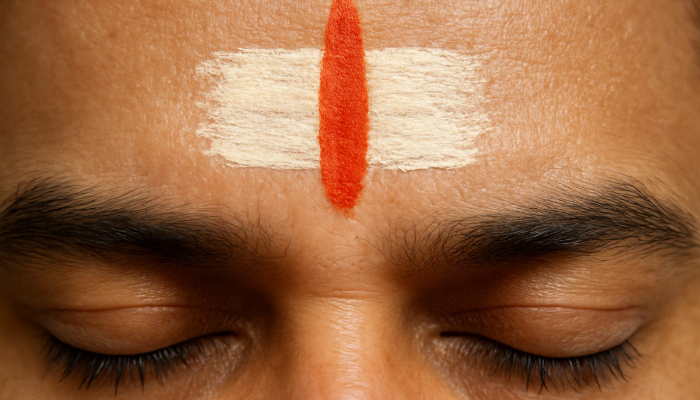
Tilak, the small yet sacred mark worn on the forehead, has been a part of Hindu life for generations. It is much more than a simple mark; it reflects faith, devotion, and cultural identity. Traditionally prepared with sandalwood paste, turmeric, vermilion, or holy ash, a tilak is regarded as a symbol of purity and blessings. For many, applying it daily or on special occasions is a way to honour spiritual values and stay connected to the divine.
Spiritual Meaning of Tilak
The spot between the eyebrows, where the tilak is applied, is known as the ajna chakra or the ‘third eye’. This point is linked with clarity, inner wisdom, and higher consciousness. Placing it here is believed to activate spiritual energy, calm the wandering mind, and strengthen the connection with God. It also serves as a gentle reminder to live with focus, discipline, and awareness.
Protective and Health Benefits
Along with its spiritual significance, the tilak is also thought to offer protection. Ancient belief holds that it shields the aura from negative influences while bringing peace of mind. Ayurveda adds to this understanding: sandalwood paste cools the body, turmeric has healing properties, and sacred ash represents purity. These natural elements support both mental calmness and physical well-being.
Cultural and Social Value
The tilak is deeply rooted in culture. It is applied during weddings, festivals, and religious gatherings as a mark of respect and blessings. Styles and colours may differ across regions and traditions, yet the meaning is shared; it stands as a sacred symbol of unity, faith, and continuity, passed down from one generation to the next.