
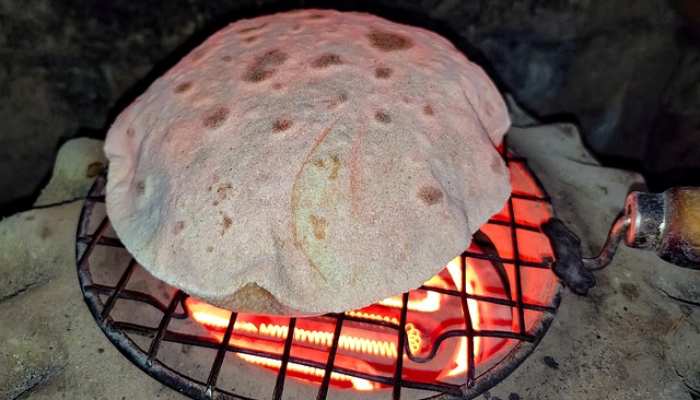
For many Indian households, rotis or chapatis have always been a part of every meal from lunch to dinner. But in recent times, a growing number of people are cutting or ditching rotis out of their diet, either replacing them with rice or skipping carbs altogether in an attempt to lose weight. While this may look like a healthy choice for those on low-carb or keto diets, experts say it causes side effects in the short term and leads to health problems over time.
Initial Weight Loss is mostly Water
When you stop eating rotis, your body starts burning glycogen, its stored form of energy. Because glycogen holds water, you also lose water as your body uses it. This makes you feel lighter and less bloated in the first few days. With fewer carbs, your body may also enter ketosis, a state where it burns fat for energy instead of carbohydrates.
However, this process can cause fatigue, headaches, bad breath, and weakness. Experts say the weight lost in this phase is mostly water and salt, not fat, and it returns once rotis or carbs are reintroduced.
What happens when you bring Rotis back?
Those who avoid roti for weeks or months often face a ‘ bounce-back effect’ when they start eating them again. The body stores glycogen again, which pulls water back in, causing quick weight gain. But the real issue lies in what happens if rotis stay out of your diet for too long.
Without a steady supply of carbohydrates, the body may begin breaking down muscle to create energy, leading to muscle loss. Over time, this slows down your metabolism, making weight loss harder and leading to the dreaded weight plateau.
Since rotis are a good source of fibre, removing them may lead to constipation, gas, and stomach aches. For people with diabetes, ditching rotis too suddenly can cause low blood sugar. This condition can be serious and often requires immediate intake of carbohydrates to correct.